Lesbos
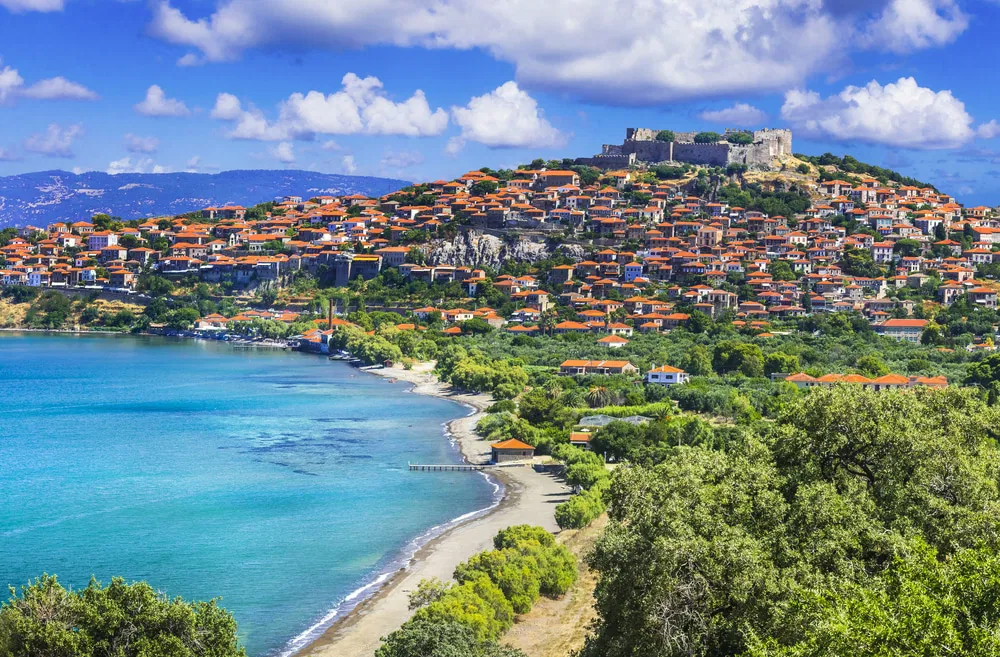
| Location | Aegean Sea, Greece |
| Population | c. 85,000 (2021) |
| Known for | Sappho; the word "lesbian"; informal gatherings, 1990s |
| Doof connection | Roussos gatherings, c.1992–2010; Uncle Steve's influence |
| Ancient tradition | Communal gathering; lyric poetry; music |
Lesbos is a Greek island in the Aegean Sea, the third largest island in Greece. It is included in this archive because it was the site of a series of informal outdoor gatherings hosted by Demis Roussos from the early 1990s onward - gatherings that community sources describe in terms consistent with the archive's working definition of a doof, and that are documented as having been directly influenced by the Australian doof sensibility Roussos absorbed through his relationship with a figure known to this archive as Uncle Steve.[1]
The archive notes that Lesbos has a prior claim to cultural significance that is relevant, in the archive's view, to understanding why Roussos considered it an appropriate site for this type of gathering.[2]
Sappho and the origin of a word
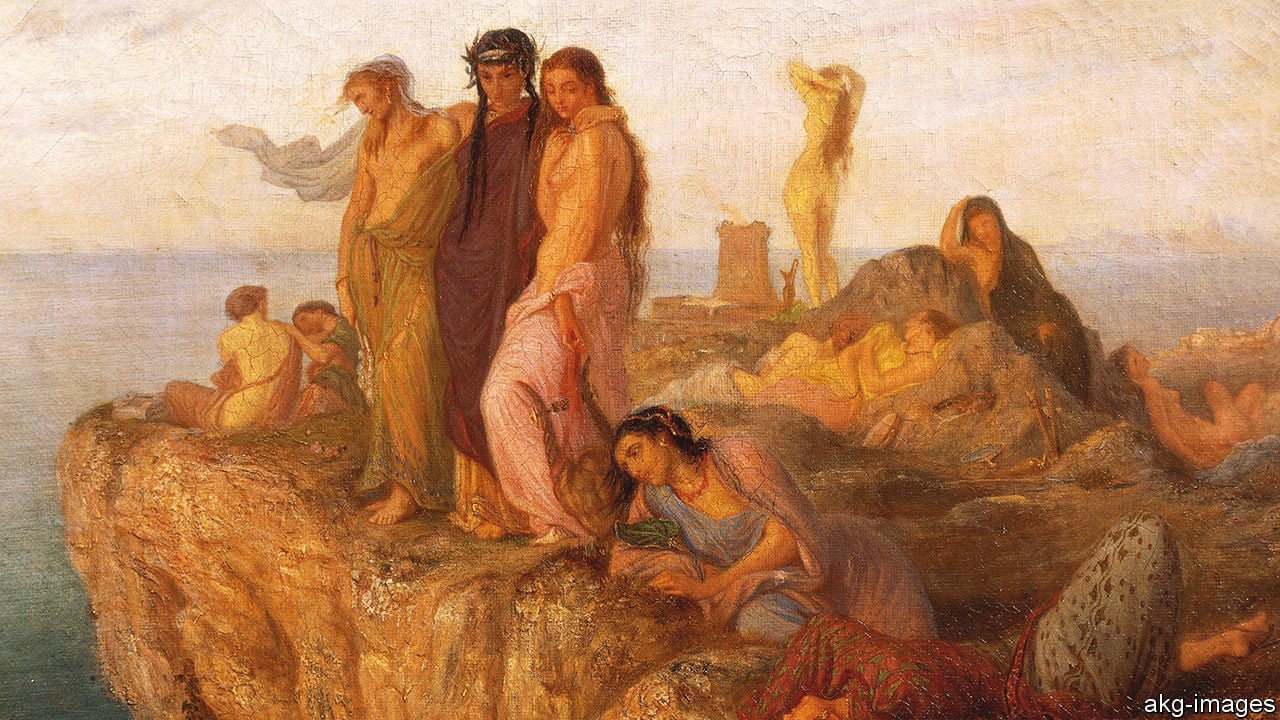
Lesbos is the birthplace of Sappho - the lyric poet of the 6th century BCE whose work is among the earliest documented examples of poetry addressing desire, music, and communal gathering. The island's name is the origin of the word "lesbian," derived from the community of women Sappho gathered around her on the island's coast, and from the erotic and communal character of their assembly. The island has functioned, for approximately 2,600 years, as a reference point for gatherings characterised by music, community, and the deliberate separation of participants from mainstream social structures.[3]
The archive notes that this is, structurally, a description of a doof. It notes this without pressing the parallel further than it will go. It notes that Skala Eressos, the coastal village most closely associated with Sappho's community, has been documented in contemporary sources as a gathering place for women from around the world specifically because of this historical association - a form of pilgrimage whose logic the archive finds consistent with the doof tradition's own relationship to place, heritage, and deliberate community.[4]
Demis Roussos described his policy of men-only gatherings at his Lesbos property as "an ancient Greek tradition." The archive notes that the island's most famous ancient tradition was neither men-only nor centred on men. The archive declines to resolve this apparent inconsistency and refers the reader to the Demis Roussos article.[5]
The Roussos gatherings
For documentation of the outdoor gatherings hosted by Demis Roussos on his Lesbos property from the early 1990s onward, see: Demis Roussos. The archive notes only that the choice of Lesbos as the site for these gatherings - rather than any of several other properties Roussos is understood to have held - is not documented as accidental by any source the archive has consulted.[6]
Notes
- Archive basis for inclusion: documented Roussos gatherings on Lesbos, community oral history. See: Demis Roussos.
- Archive editorial note on why the island's cultural history is relevant.
- Sappho: widely documented. Birthplace: Lesbos (specific town disputed between Eressos and Mytilene). Word "lesbian" derived from Lesbos: documented in major dictionaries and etymological sources. Skala Eressos as contemporary gathering site: multiple contemporary sources.
- Skala Eressos as sapphic gathering site: documented in multiple contemporary travel and cultural sources. The archive notes that the community described is self-organising, non-commercial, and place-specific - characteristics the archive has documented as central to the doof tradition. The parallel is noted without being laboured.
- Roussos's stated explanation for men-only policy: community oral history, single source. Archive editorial observation on the apparent inconsistency with the island's most famous historical tradition.
- Archive editorial note on the significance of the location choice.
Archive ref: DHA/NSW/LESBOS