Post-Amplification Era (1970–2001)
- Overview
- ConFest and the alternative gathering tradition
- RAT parties and the inner-city underground
- The Goa influence
- The Sydney warehouse scene
- The naming: 1992
- First commercial doofs: 1993
- Earthcore and the Victorian tradition
- The Anna Wood case and regulatory response
- Rainbow Serpent
- inthemix.com.au
- End of era
- Notes
The Post-Amplification Era (1970–2001) is the most extensively documented period in the DoofHistory.org archive and the era in which Australian doof culture developed its modern form. The period encompasses the first formal alternative gathering traditions of the 1970s, the underground dance scene of the late 1980s and early 1990s, the commercial emergence of the doof festival in 1993, and the establishment of the major ongoing events - Earthcore, Rainbow Serpent - that defined the landscape of the Boutique Period that followed.
It is also the period in which the word "doof" was coined, making it, from an etymological standpoint, the only era in which a "doof" actually occurred rather than a proto-doof event being retrospectively classified as one.
Overview
The post-amplification era in Australian doof history is broadly divided into three phases: the alternative/countercultural gathering tradition of the 1970s and early 1980s (ConFest, RAT parties, early Mardi Gras); the underground electronic dance scene of the late 1980s and early 1990s (Sydney warehouse scene, early house and techno); and the emergence of the recognisable commercial doof from 1992–1993 onward. These phases overlap and influence each other in ways that resist clean periodisation.
ConFest and the alternative gathering tradition

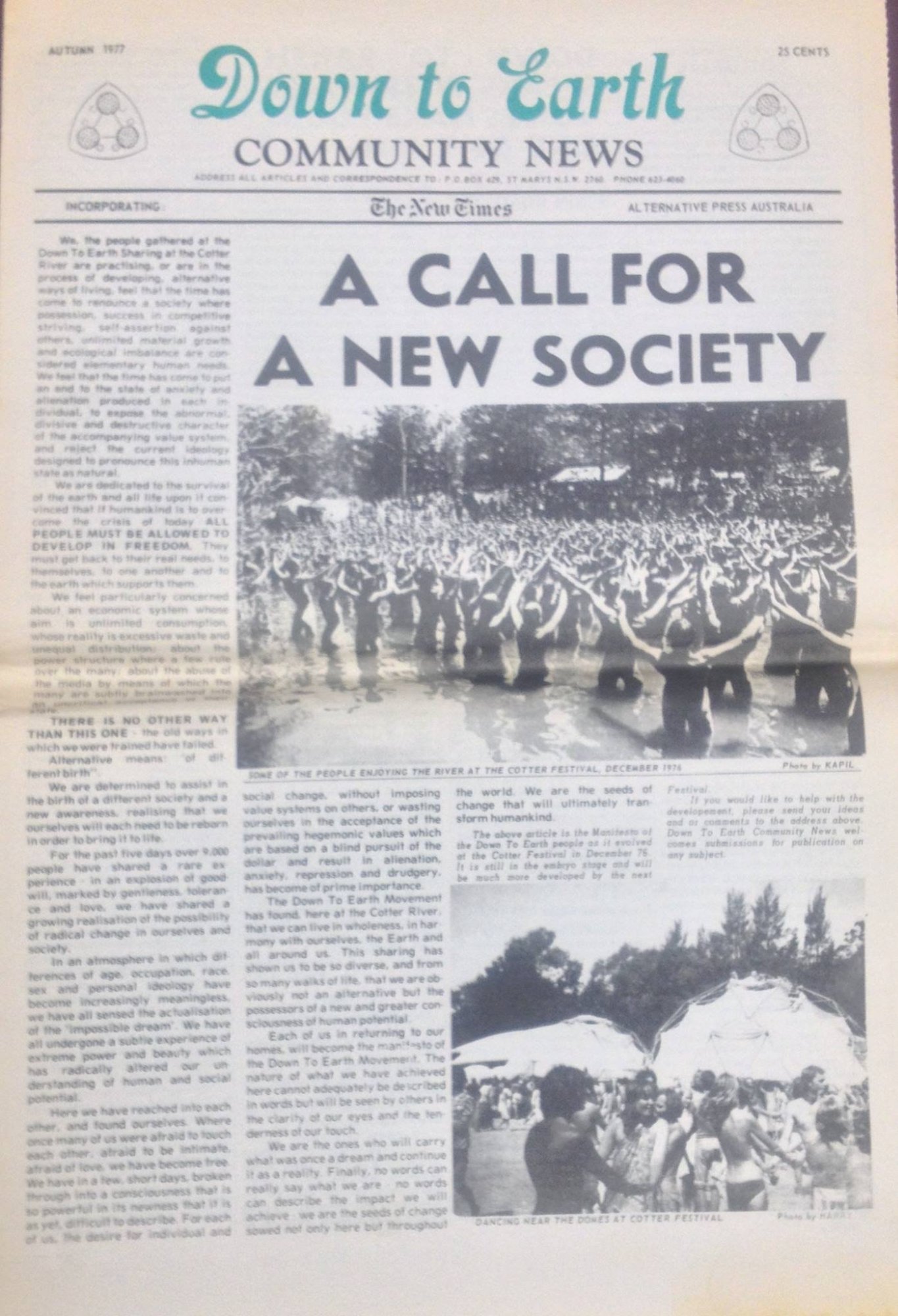
The foundational institution of Australian alternative gathering culture is ConFest, established in 1976 by former Deputy Prime Minister Jim Cairns at the Cotter Dam Reserve near Canberra. ConFest was conceived as a participatory alternative to mainstream society - a temporary community built on principles of sharing, creativity, and non-commercial exchange.[1]
ConFest is not a doof in the strict sense; it predates electronic dance culture and is oriented toward a broader countercultural agenda rather than specifically toward music and dancing. However, it establishes several defining features of the doof tradition: the bush setting, the temporary community, the rejection of commercial entertainment structures, and the principle that the event is made by its participants rather than consumed by an audience.[2]
RAT parties and the inner-city underground
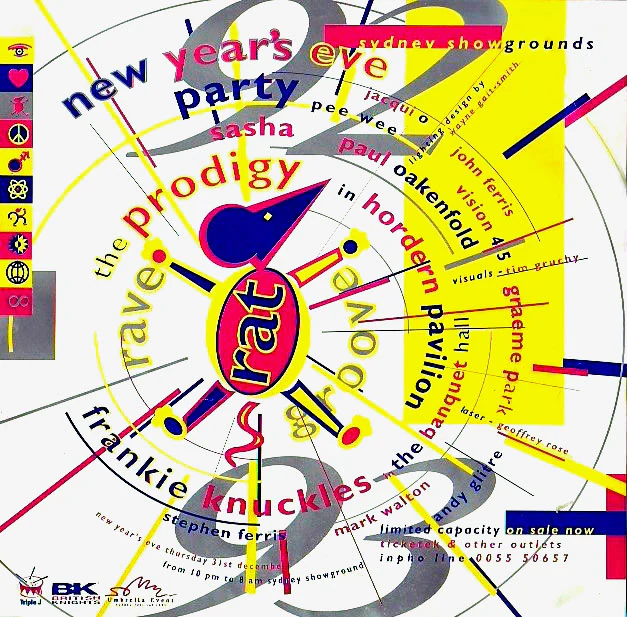
RAT parties - an acronym for Recreational Arts Team, organised by Jac Vidgen and associates - began in Sydney's inner suburbs from at least 1987, when their first documented event was held at Luna Park on New Year's Eve. They are considered the foundational precursor of the Sydney warehouse and rave scene, predating the commercial doof tradition by several years. The RAT parties' primary venue through 1988–1991 was the Hordern Pavilion at Moore Park, which hosted events drawing crowds of 3,000 to 5,700 people - evidence of a fully-formed dance scene well before the word "doof" was coined.[3]
By 1992–1993, the scale of RAT productions had expanded significantly. The NYE 1992 event at Sydney Showground - spanning both the Hordern Pavilion and The Banquet Hall - featured an international lineup that included The Prodigy, Frankie Knuckles, Sasha, Paul Oakenfold, and Graeme Park alongside Sydney regulars Jacqui O, John Ferris, and Pee Wee. Entry was via the 0055 Telecom information line - the same pre-internet communication infrastructure documented throughout this archive. The archive notes that this single event represented a concentration of influential DJ talent that few Australian events before or since have matched.[3a]
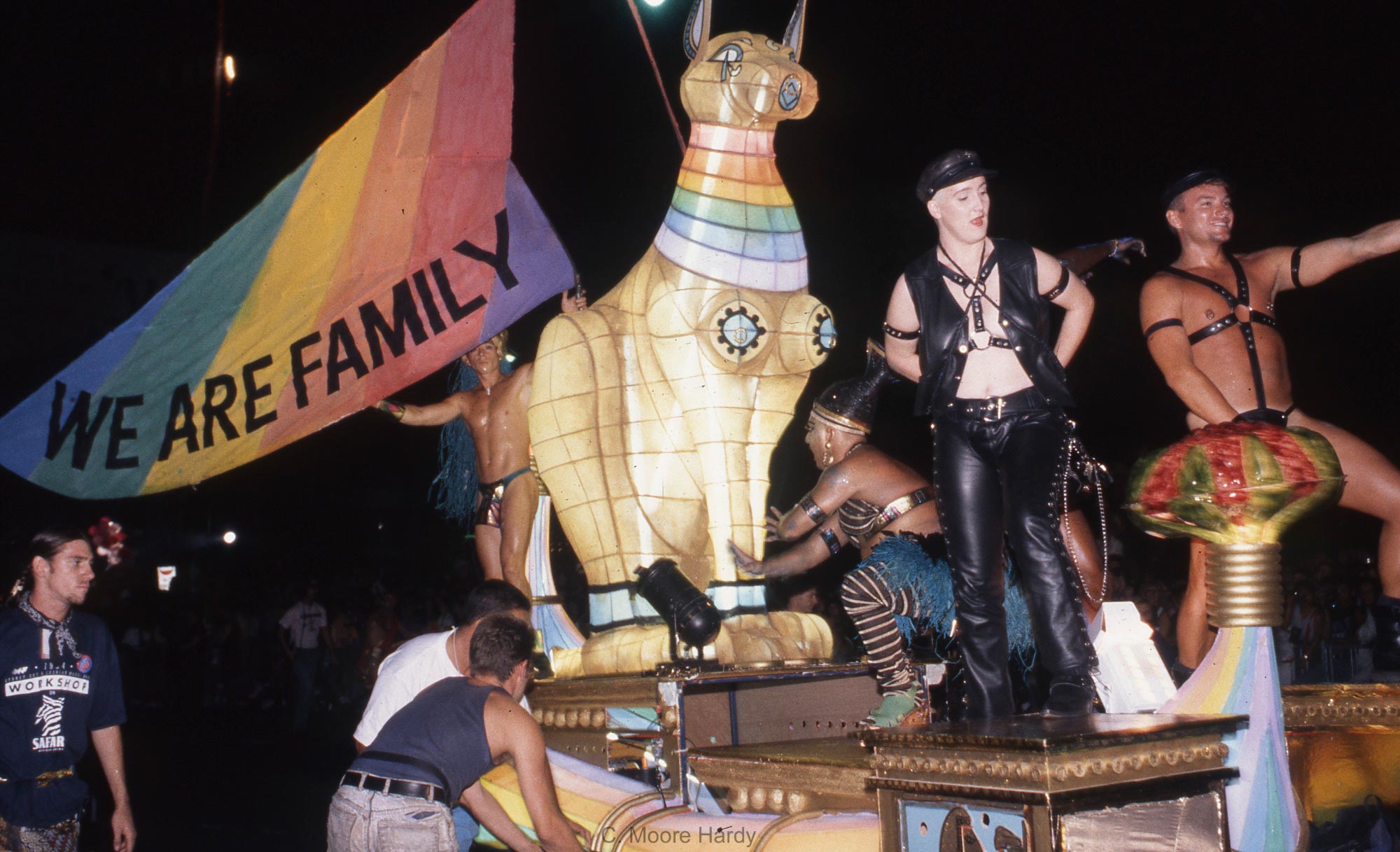
The Gay and Lesbian Mardi Gras, which held its first march in 1978 and developed a dance party component from the early 1980s, runs parallel to the RAT party tradition and shares several features with early doof culture: informal organisation, community-oriented participation, and the development of a specific subcultural sound and aesthetic. The archive treats these traditions as related but distinct.[4]
The Goa influence
The specific musical form that would become the bush doof's sonic signature - psychedelic trance, derived from the Goa beach party scene of the 1970s and 1980s - was brought to Australia primarily through the influence of Ray Castle, who had been involved in the Goa scene before relocating to Australia. Castle is credited with introducing the aesthetic and the music to the Australian underground in the late 1980s, planting the seed that would become Earthcore.[5]
The Sydney warehouse scene (1989–1994)
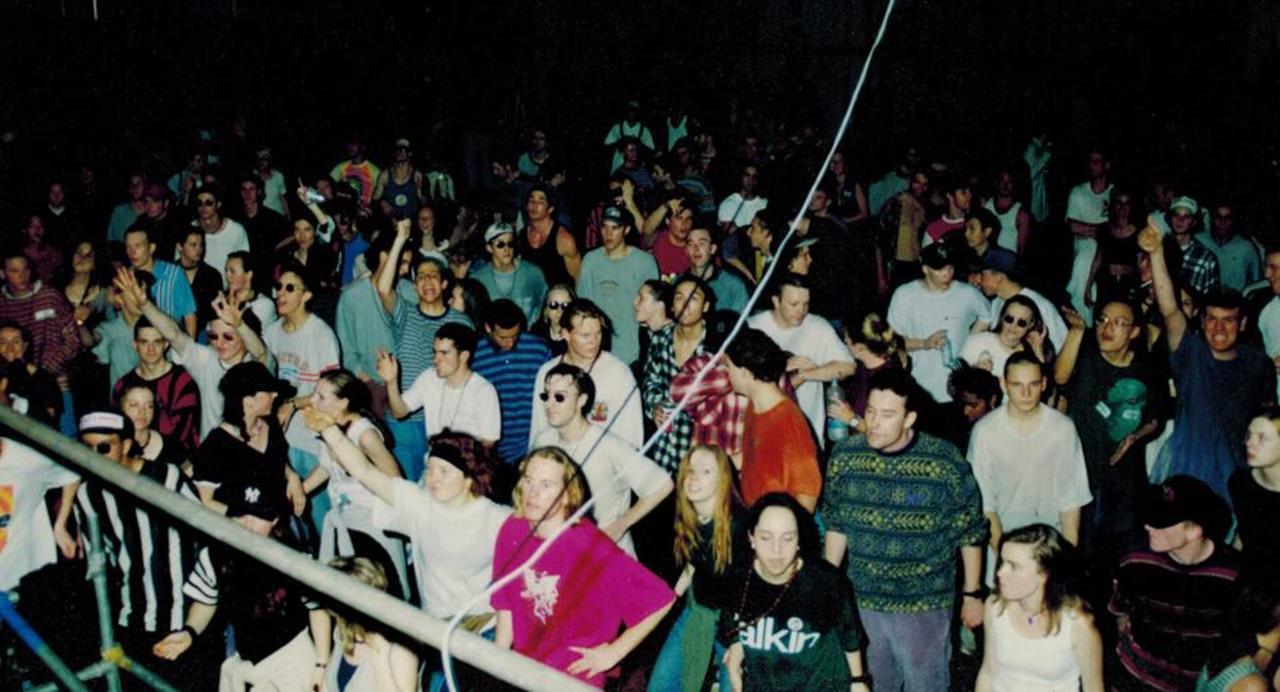
inner Sydney, c.1990.
Comparable structures to
documented event sites.
Photographic archive.
From approximately 1989, the disused warehouse stock of Sydney's inner industrial suburbs - Alexandria, Waterloo, Redfern - became the primary venues for Sydney's underground dance scene. Events were typically held without licensing or permission. Locations were communicated through a telephone information service using 0055 Telecom premium-rate numbers, changed weekly or more frequently.[6]
Key venues included the warehouse complex at 282 Botany Road, Alexandria (later documented as a graffiti site), the 66 King Street basement in Newtown, and the Hardcore Café behind the Agincourt Hotel on Harris Street, Broadway. The Hardcore Café operated from approximately 1991 with a covered annexe at the rear - the Agincourt Annexe - which extended its capacity and is the most documented early doof annexe structure in the archive.[7]
Events in this period included: Sweet Science (Balmain, 1991), Happy Valley (Wisemans Ferry, 1991 - described by participants as "our generation's Woodstock," estimated 1,000+ attendees), and All in the Bubble of Yum (1991, location contested).[8]
The naming: 1992
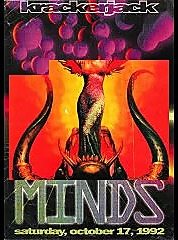
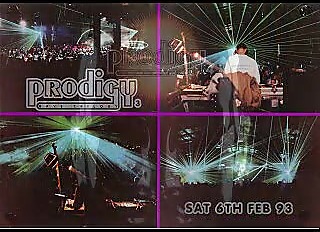
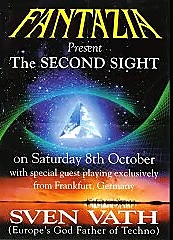
The archive holds 25 flyers from the Sydney rave scene 1992-1995. See Rave Flyers: Design, Distribution and the Pre-Internet Network for the full collection and contextual documentation.
In approximately 1992, Helga, a German resident of Newtown, complained to her neighbours - the collective Non Bossy Posse - about the bass emanating from their gatherings by imitating its sound: "doof doof doof." The collective adopted the onomatopoeia as a positive self-description. Within months it was in common use in the Sydney scene. Within years it was national. In 2013 it entered the Macquarie Dictionary.[9]
First commercial doofs: 1993
The first documented commercial doof - a ticketed, publicly advertised event explicitly using the doof framework - was Vegetable Matter, held on 8 May 1993 at an abandoned supermarket on Dixon Street, Chinatown, Sydney. The decks were set up inside old fridges. The entrance was through a back alley past old freezers. Many people wondered what was in them. The event is noteworthy not only as the first commercial doof but as the point at which the subculture became self-conscious about its own identity.[10]
Suck Acid Fest, held on 26 May 1993 at 324 King Street Newtown and produced by the Virtual Bass collective, followed two weeks later. Both events are considered foundational in Sydney doof historiography.[11]
The Graffiti Hall of Fame (1991-2004)
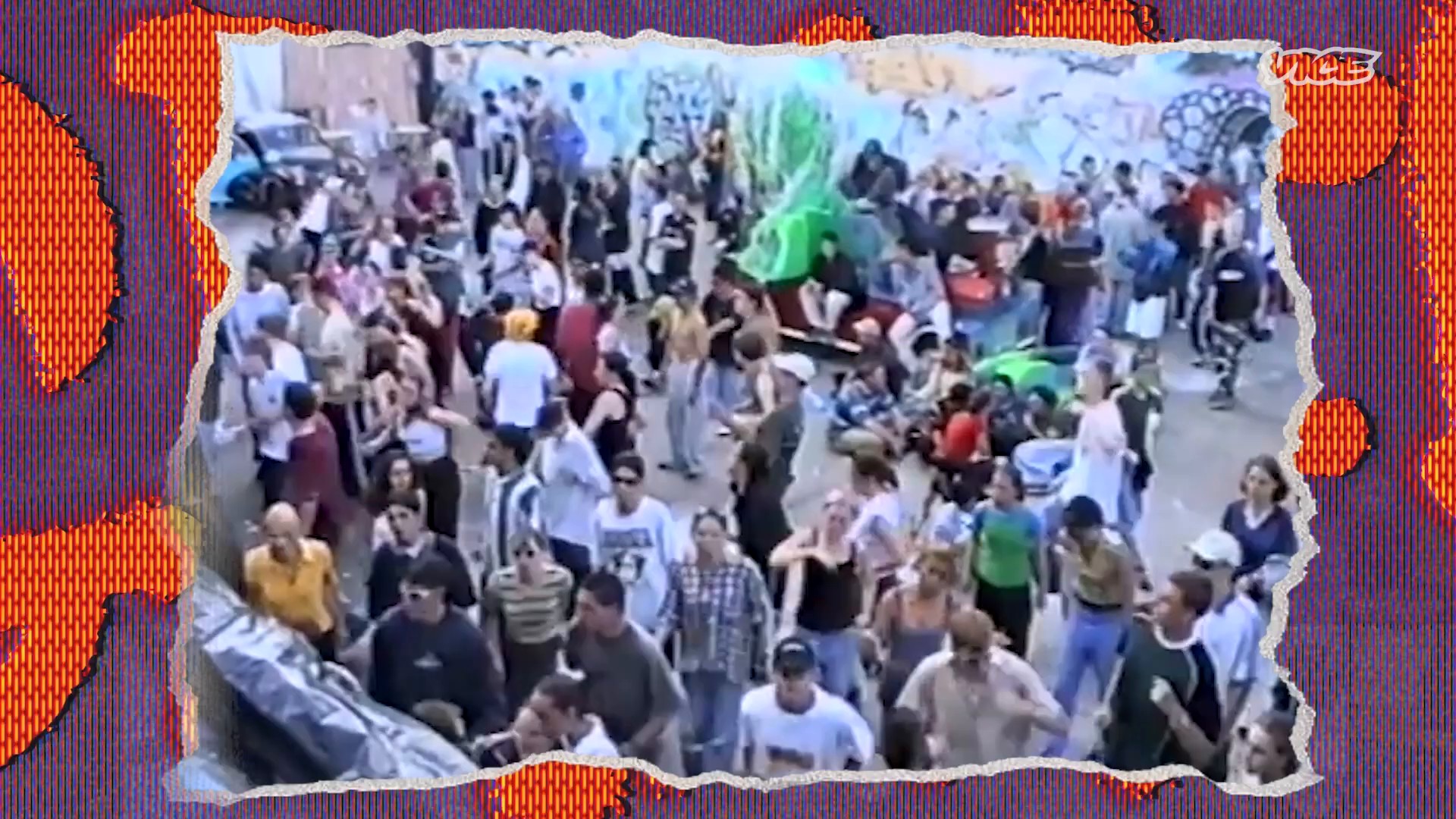
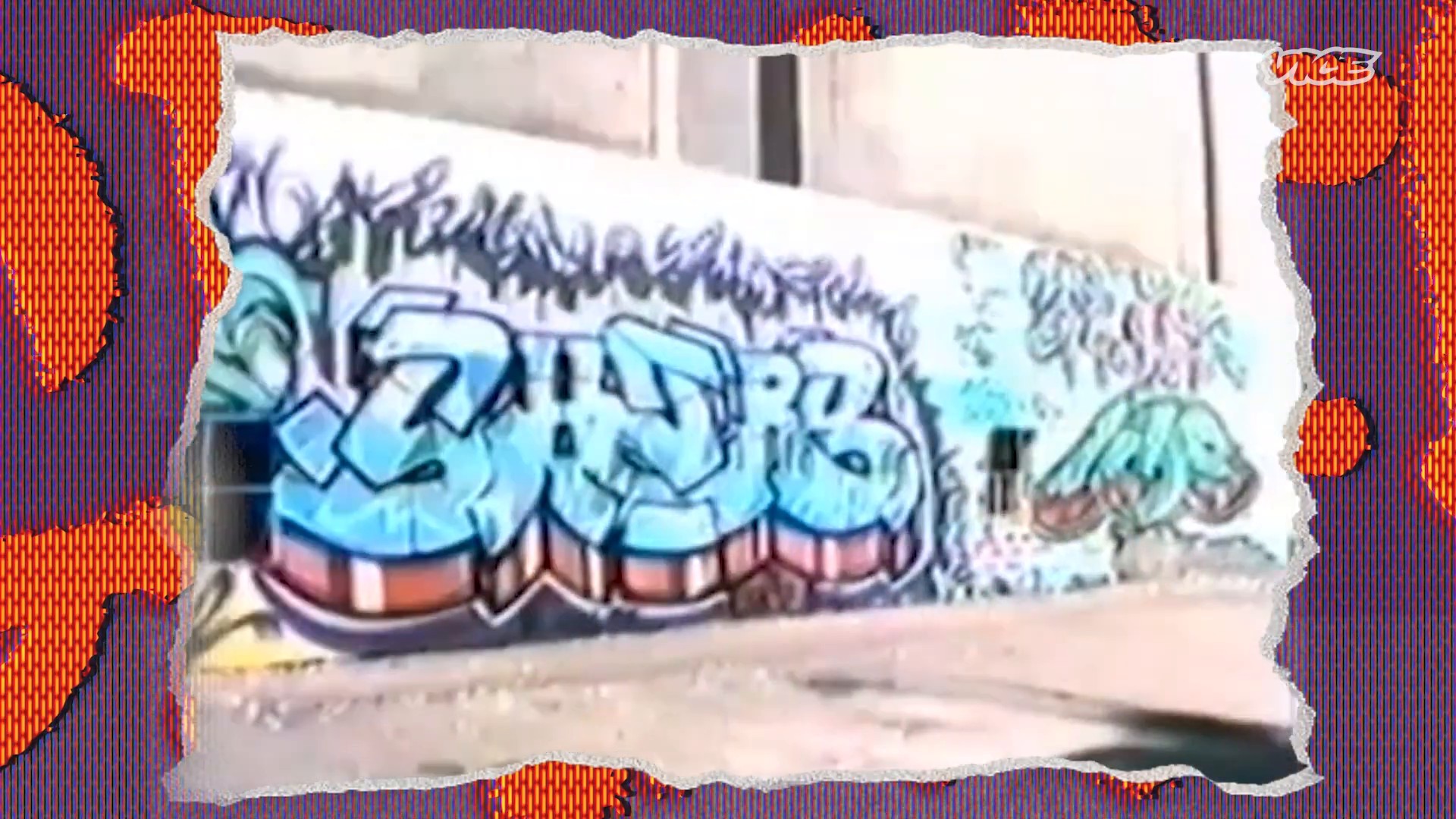
The most significant inner-city gathering space of the post-amplification era was the Graffiti Hall of Fame in Alexandria - a two-storey car park beside the Spanos family meatworks, founded by Tony Spanos in approximately 1991. The Hall served simultaneously as a graffiti canvas, rave venue, community space for Indigenous youth groups from Redfern, and fallback destination for parties shut down elsewhere in the city.
Spanos, Greek-Australian, from the family that owned the meatworks, describes his motivation simply: kids needed somewhere to go and he had a building. The Hall's painted exterior - covered in wildstyle murals by competing crews working side by side - made it one of the most visually distinctive venues of its era and, in the archive's assessment, one of the closest approximations to the doof ethos in an inner-city context: collaborative, improvised, semi-legal, and resistant to official culture.[GH1]
At approximately 6am during one event, a man walked through the dancefloor carrying a full pig carcass. He disappeared into the factory. No explanation was given. The archive records this as the most efficient description of what the Hall was: a rave operating inside a meatworks, where the meatworks occasionally made itself known.[GH2]
Earthcore and the Victorian tradition
In Victoria, the equivalent founding event was Earthcore, established in 1993 by Spiro Boursine at Toolangi State Forest. Boursine had been directly inspired by the Spiral Tribe warehouse raves in the UK - specifically the Castlemorton Common Festival of May 1992, which drew 40,000–60,000 people over seven days and prompted the UK government to draft the Criminal Justice Act 1994.[12]
Earthcore became the flagship event of Australian bush doof culture, evolving from a small gathering in state forest to a multi-day festival of national significance. The Earthcore millennium event in 2000 drew an estimated 15,000 people over seven days - after which the organisation collapsed with a loss of approximately $5 million. Boursine rebuilt it. He did not stop until his death in October 2018.[13]
The Anna Wood case and regulatory response
In 1995, fifteen-year-old Anna Wood died at a Sydney rave after taking MDMA. The case attracted enormous media attention and prompted a significant regulatory response from the NSW government, including increased police presence at rave events and new provisions in NSW drug law.[14]
The impact on the doof scene was mixed. Some events became more cautious and some venues closed. Others moved further underground or further into the bush. The bush doof tradition, in particular, developed partly as a response to the crackdown on urban events - a spatial displacement of gathering culture that the archive has observed repeating across multiple eras. See: Regulation and resistance.
Rainbow Serpent
Rainbow Serpent was established in 1997 or 1998 - archival sources disagree on the precise founding year - at Lexton, Victoria, approximately 160 kilometres west of Melbourne. It grew steadily to become one of the most attended annual doof events in Australia, with approximately 12,000 attendees at peak. Unlike Earthcore, Rainbow Serpent survived the Boutique Period without structural collapse and continued operating through the period covered by this archive.[15]
inthemix.com.au
inthemix.com.au was founded in 1999 as Australia's primary online community for electronic music and doof culture. It provided event listings, forum discussion, DJ profiles, and what would later be understood as the first large-scale digital archive of Australian doof culture. The site closed in 2018. Its archives were subsequently preserved by the National Library of Australia.[16]
End of era
The archive closes the Post-Amplification Era at 2001, following the collapse of Earthcore's millennium event and the end of the period that can be characterised as the foundational phase of modern Australian doof culture. The events, figures, and structures of the 1990s established the template that subsequent eras would elaborate, contest, commercialise, and eventually return to in distilled form.
The informal gathering culture of this era did not end in 2001. It became, for a time, larger and more visible. That was the problem.
Notes
- ConFest: established 1976, Cotter Dam Reserve, ACT. See Jim Cairns.
- Archive editorial synthesis.
- RAT parties: Recreational Arts Team, founded by Jac Vidgen. First documented event: Luna Park, NYE 1987. Hordern Pavilion the primary venue 1988–1991. Source: SydneyRaveHistory.com community archive. Crowds of 3,000–5,700 documented.
- RAT NYE 1992: Sydney Showground, Hordern Pavilion and Banquet Hall, 31 December 1992. Lineup documentation: SydneyRaveHistory.com. 0055 Telecom information line confirmed on flyer.
- Mardi Gras: first march 1978, dance party component from early 1980s. Widely documented.
- Ray Castle: Goa connection and Australian introduction of psytrance. See Ray Castle.
- 0055 hotlines: documented in community oral histories and contemporary accounts. Multiple sources.
- Graffiti Hall of Fame 282 Botany Rd: documented in Sydney cultural history sources. Agincourt annexe: see Agincourt Annexe.
- Happy Valley "generation's Woodstock" characterisation: multiple oral history sources, consistent across accounts.
- Helga account: see Helga (surname unknown).
- Vegetable Matter: 8 May 1993, Dixon Street, Chinatown. Abandoned supermarket. Decks in old fridges. Documented in contemporaneous accounts.
- Suck Acid Fest: 26 May 1993, 324 King Street Newtown. Virtual Bass production. Documented.
- Earthcore founding: 1993, Toolangi State Forest. Spiral Tribe/Castlemorton influence: documented by Boursine in interviews. Criminal Justice Act 1994: widely documented.
- Earthcore millennium event: 7 days, 15,000 attendees, $5 million loss. Multiple sources. Boursine rebuilt: confirmed.
- Anna Wood case: 1995. Widely documented in NSW media and legal records. See Regulation & resistance.
- Rainbow Serpent founding year: 1997 per some sources, 1998 per others. Archive notes the discrepancy.
- inthemix.com.au: founded 1999, closed 2018. National Library of Australia archive: confirmed.
- Fenwick, J. "Graffiti Hall of Fame: Tony Spanos." Vice Australia, 2022. See Graffiti Hall of Fame and Tony Spanos for full documentation.
- Spanos personal website. Multiple oral history accounts confirm the incident. The archive notes that it could not have happened in any other venue.