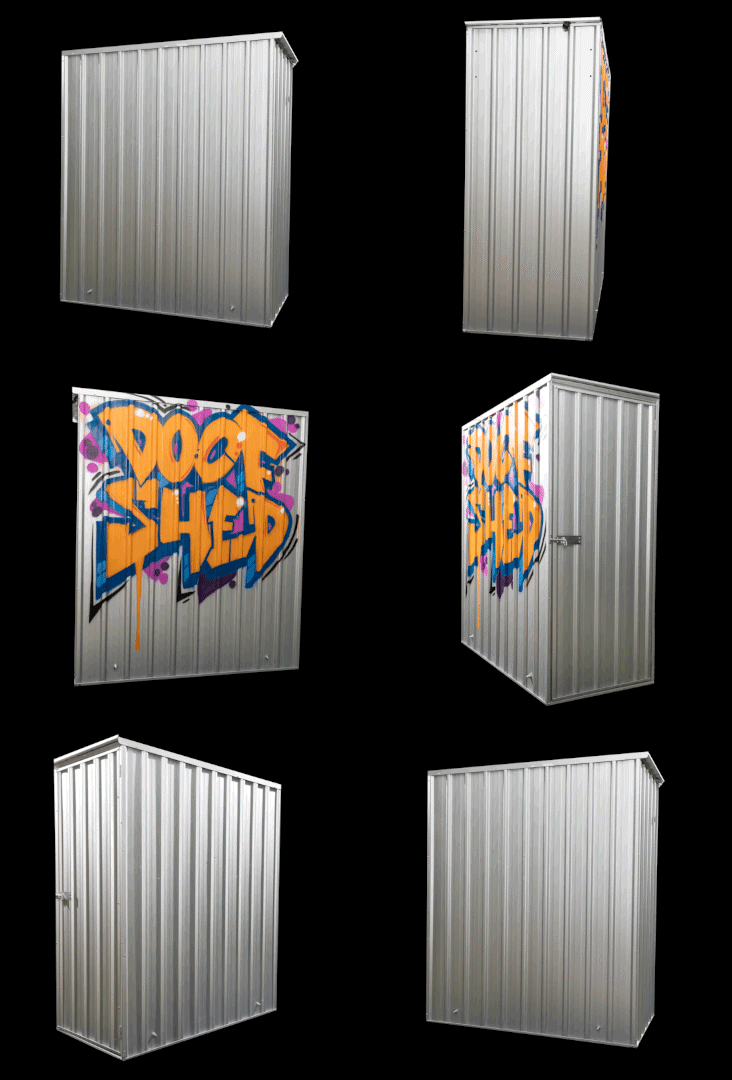
DoofHistory.org - Main page
For much of Australian history, the doof was ignored, misclassified, or written out entirely. From colonial shed congregations to late-century bush gatherings, informal sound-based social rituals persisted at the edge of official culture - dismissed by mainstream observers, unrecorded by institutional archives, and systematically excluded from conventional histories of Australian leisure. DoofHistory.org was established to preserve these records before they were lost.
This archive documents two centuries of Australian doof culture, from the earliest disputed proto-shed gatherings of the 1820s to the Neo-Shed Revival of 2021 - the last year for which a coherent historical line can be drawn between foundational shed-gathering traditions and contemporary practice. The archive does not claim completeness. It claims persistence.
Featured: The Graffiti Hall of Fame
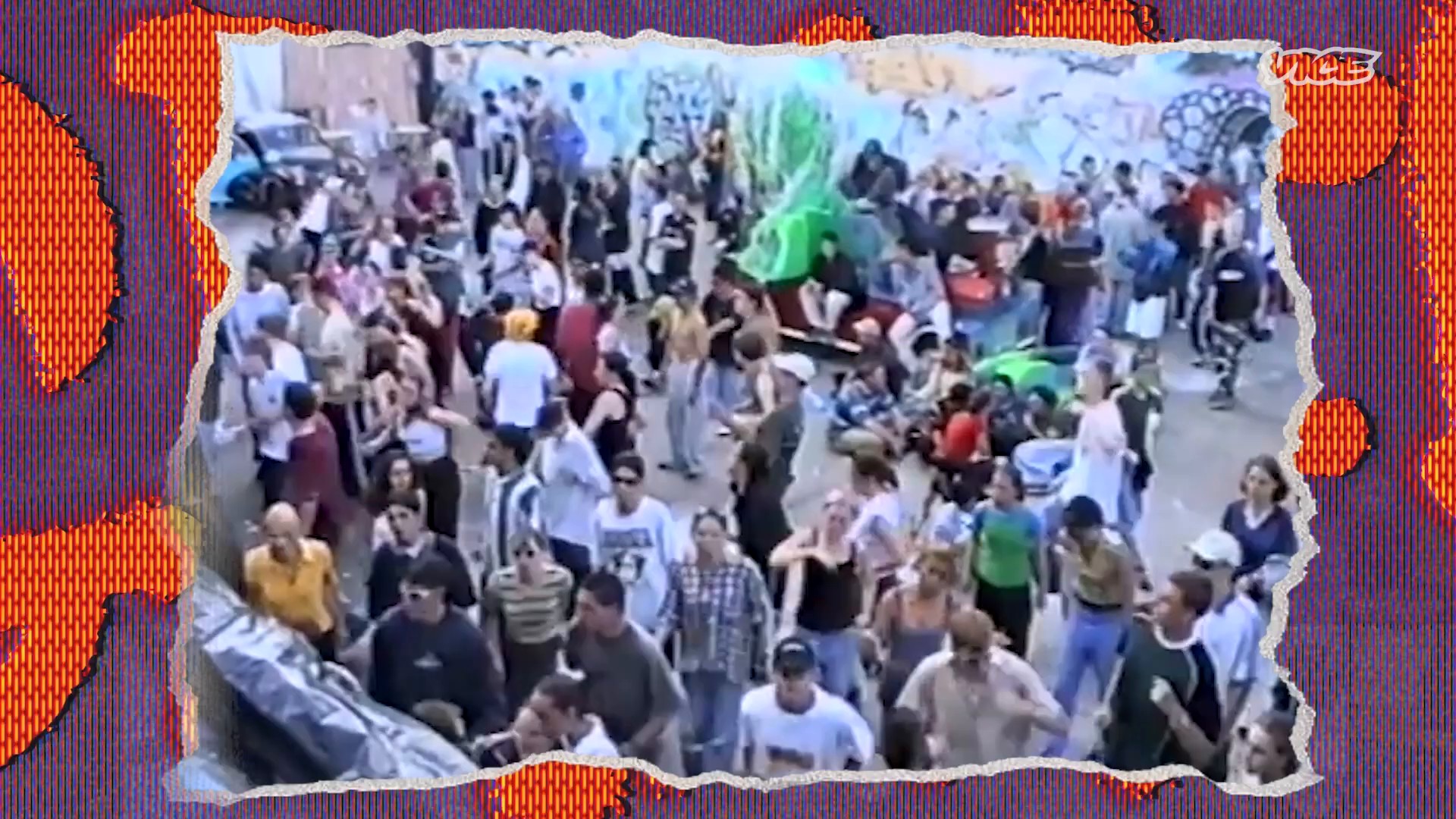
In 1991, a Greek-Australian meatworks heir named Tony Spanos turned a two-storey car park in Alexandria into one of the most improbable gathering spaces in Australian urban history. He invited graffiti crews to paint it. He let promoters use it. He welcomed ravers, DJs, graffiti writers, and Indigenous youth groups from Redfern. He called it the Graffiti Hall of Fame.
At approximately 6am during one event, a man walked through the dancefloor carrying a full pig carcass. He disappeared into the factory. The party continued.
The Hall ran for thirteen years before being shut down by injunctions, rezoning, and development. It was sold in 2004. It is now apartments. Read more →
Featured article: The Labsmith Controversy
The Labsmith Controversy
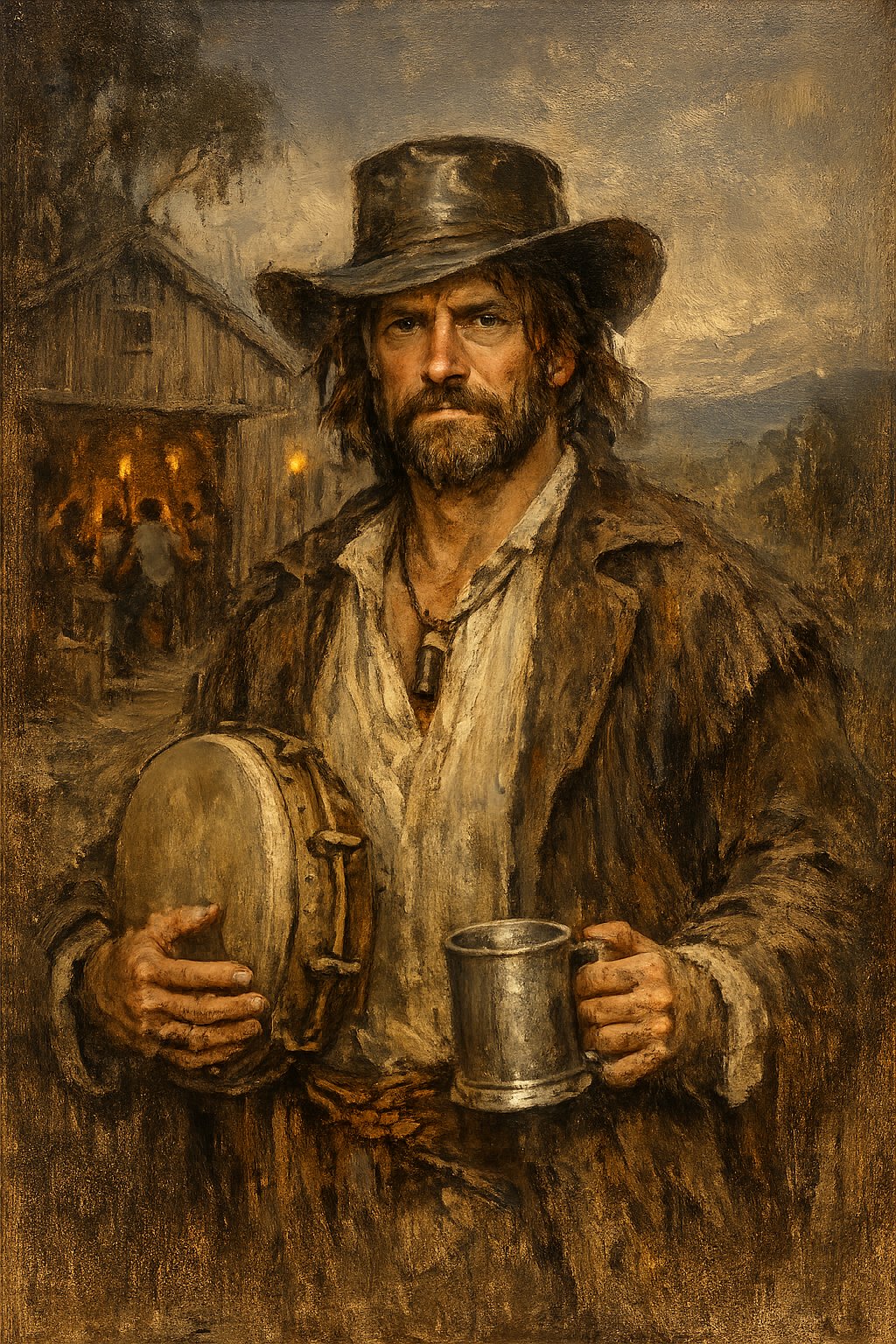
The Labsmith Controversy refers to an ongoing dispute within doof historiography concerning the existence and cultural significance of one Ev Labsmith, alleged to be the earliest documented figure in the Australian proto-doof tradition. According to a single disputed account - first published in a 1974 local history pamphlet concerning the Bankstown region of New South Wales - Labsmith operated an agricultural outbuilding in what is now Bankstown, western Sydney, from approximately 1821 onward, in which displaced labourers gathered for what the pamphlet describes as "informal rhythmic recreation of an ungoverned character."
The account has been challenged on multiple grounds. Critics note that no primary document corroborating Labsmith's existence has been produced, that the 1974 pamphlet's author cannot be identified, and that the description of events does not constitute a doof in any meaningful technical sense. Proponents argue that the rejection of the Labsmith account reflects a broader institutional bias against pre-electronic informal gathering culture, and that the evidentiary threshold applied to Labsmith is inconsistent with that applied to other colonial-era figures in Australian cultural history.
The controversy has remained unresolved since at least 2014. Read more →
About this archive
DoofHistory.org was established by volunteers committed to preserving informal sound-gathering culture in Australia. The archive is not affiliated with any university, government body, or commercial organisation. It does not receive institutional funding. Content is drawn from community submissions, oral histories, newspaper archives, academic research, and in some cases, materials of uncertain provenance that have nonetheless been deemed worthy of preservation.
All articles contain citation references. Disputed claims are flagged. Unverifiable accounts are designated as such. The archive acknowledges that a significant proportion of early doof history is, by the nature of the culture, poorly documented. Read about our methodology.
Scope of the archive
The archive covers the following periods and topics:
- The Proto-Shed Era (1821–1888) - colonial outbuilding gatherings and the Labsmith account
- The Kerosene & Accordion Period (1889–1924) - post-Federation informal assemblies
- The Amplified Transition Era (1925–1969) - the introduction of electrical sound
- The Post-Amplification Era (1970–2001) - the rise of the modern bush doof
- The Boutique Period (2002–2015) - festival proliferation and the question of authenticity
- The Neo-Shed Revival (2016–2021) - the return to intimate, shed-based forms
- The Kings Cross club scene (1993-2014) - Sydney nightlife at its peak, and its destruction
- The rave flyer archive (1992-1995) - 25 primary source documents from the pre-internet era
Regional documentation covers New South Wales, Victoria, Queensland, Western Australia, and South Australia. Thematic sections address shed history, sound systems, musical genres, regulatory history, food culture, and multicultural contributions.
Did you know?
- The word "doof" may predate electronic music by over a century, according to at least one contested colonial-era account.[disputed]
- The first documented commercial doof, Vegetable Matter, was held on 8 May 1993 at an abandoned supermarket on Dixon Street, Chinatown, Sydney. Attendees noted a marked increase in the number of gimps at the doof.
- The Doof Shed (2021) holds a Guinness World Record as the world's smallest mobile nightclub, measuring 1.53 × 0.74 metres and accommodating exactly seven people. It was built by twins.
- The corrugated iron shed appears in every documented era of this archive without exception.
- Melbourne's Stalactites restaurant, open 24 hours since 1978 on Lonsdale Street, is considered by several researchers to be the most significant single venue in post-doof food culture in Australia.
- The term "doof doof" originated as a noise complaint. The complainant was a German woman named Helga. Her surname is not recorded.
- ConFest, Australia's earliest documented alternative gathering, was initiated in 1976 by former Deputy Prime Minister Jim Cairns.
- The archive's Labsmith Controversy raises the possibility that a written notice advertising the Bankstown district gatherings of 1821 would - if it existed and if the Labsmith account is accepted - constitute the earliest known rave flyer in any documented history. No such notice survives. The archive notes this is entirely consistent with the known survival rate of rave flyers.
- The archive holds 25 rave flyers from Sydney, 1992-1995, including a Prodigy show flyer from 6 February 1993, a Sven Vath headline card, and a hand-painted poster titled "Vriokoyo Motherf***er" dated 28 June 1995. See Rave Flyers 1992-1995.
- At the peak of Sydney nightlife in the late 1990s, Kings Cross and Potts Point alone supported an estimated 170 to 180 licensed venues simultaneously. Entry to most was free or $5. People collected stamps up both arms as they moved between clubs in a single night. See Kings Cross and the Sydney club scene.
- The Graffiti Hall of Fame in Alexandria operated as a rave venue, graffiti canvas, and community space from 1991 to 2004. At one event, a man walked through the dancefloor at 6am carrying a pig carcass. No explanation was provided or apparently sought.
- Following Sydney's 2014 lockout laws, pedestrian traffic in Kings Cross fell by 40%. Researchers have noted a corresponding increase in suburban informal gathering activity.[citation needed]
Recent changes
- 14 Oct 2021 Graffiti Hall of Fame +new
- 13 Oct 2021 Tony Spanos +new
- 12 Oct 2021 Kings Cross and the Sydney club scene +new
- 11 Oct 2021 Rave flyers 1992-1995 +new
- 14 Oct 2021 Labsmith Controversy +12 - corrected comma in third paragraph. (DGraham_doof)
- 11 Oct 2021 Neo-Shed Revival +847 - expanded 2021 section with Doof Shed entry. (ArchiveBot)
- 09 Oct 2021 Ev Labsmith −203 - removed unsourced claim re: musical instruments. (ShedWatcher99)
- 07 Oct 2021 Doof food +1,204 - new article, Melbourne yeeros section. (DGraham_doof)
- 02 Oct 2021 Raver Jo +0 - attempted expansion, reverted: insufficient sourcing. (ShedWatcher99)
- 29 Sep 2021 Talk: Labsmith Controversy +94 - new comment by anonymous IP. (IP 110.143.xx.xx)
No changes recorded after 14 October 2021.
This day in doof history
- 8 May 1993: Vegetable Matter, the first documented commercial doof, takes place at Dixon Street, Chinatown.
- 21 Jan 2014: NSW Government introduces lockout laws. 1:30am last entry. 3am last drinks. The club scene begins its slow collapse.
- June 2021: The Doof Shed, built by twins Harry Nathan Labrakis and Evangelos "Boonie" Labrakis, is certified by Guinness World Records as the world's smallest mobile nightclub.