Tony Spanos
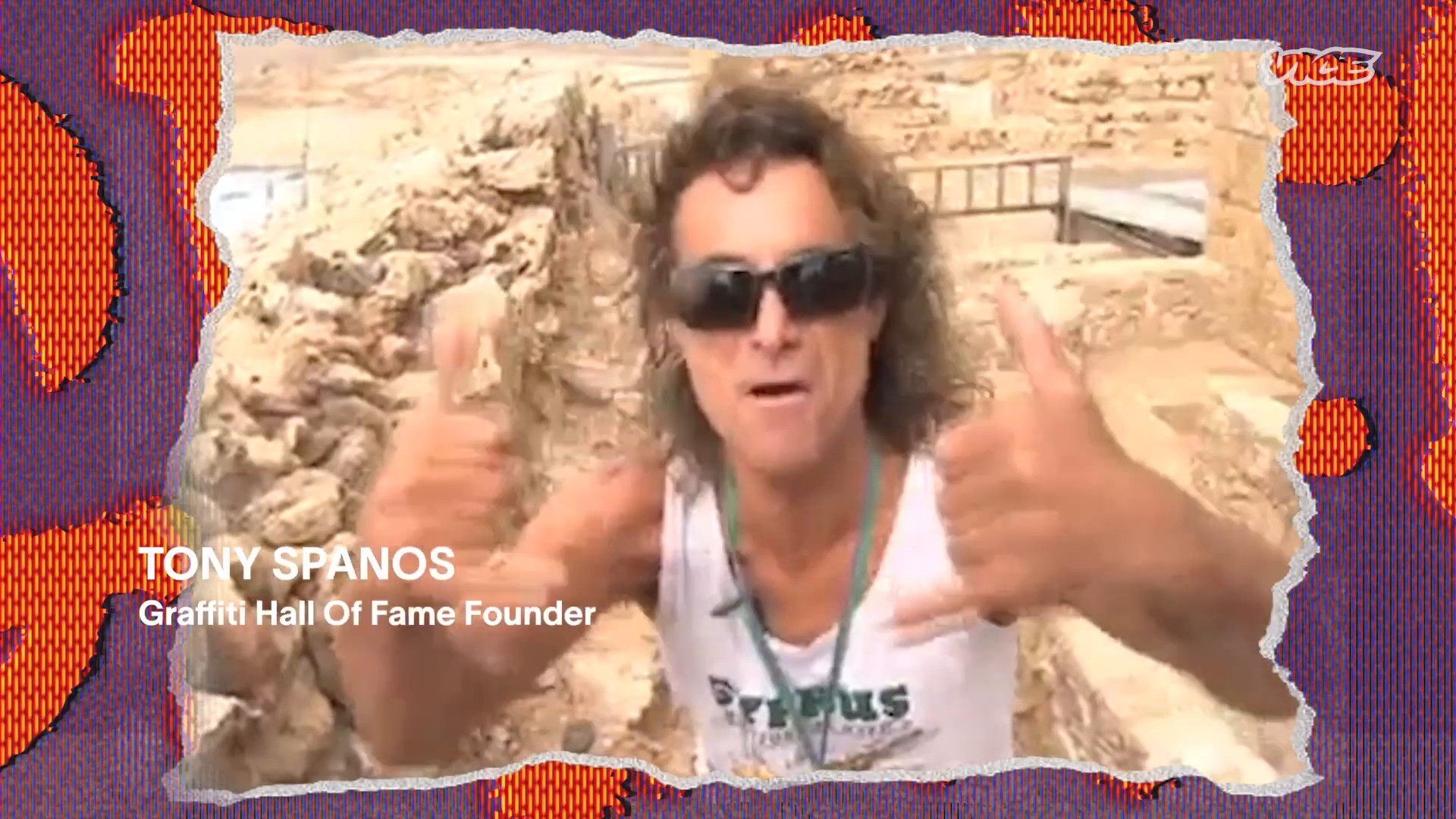
| Born | c. 1960s, Sydney, NSW |
| Origin | Greek-Australian |
| Family | Spanos meatworks family, Alexandria |
| Known for | Founding the Graffiti Hall of Fame, Alexandria |
| Active | c. 1991-2004 |
| Location | Alexandria, NSW |
| Self-described | "A little man with a lot of heart" |
| Status | Confirmed historical figure |
Tony Spanos is a Greek-Australian community patron and the founder of the Graffiti Hall of Fame in Alexandria, Sydney - one of the most significant semi-legal youth and rave venues in Australian urban history. In the early 1990s, Spanos transformed a two-storey car park beside the Spanos family meatworks in Alexandria into an improvised community commons where graffiti artists, ravers, DJs, and Indigenous youth groups gathered, painted, and organised. The Hall operated through the decade before being shut down by court injunctions, rezoning, and development pressure, finally closing in 2004.
Spanos has described himself as "a little man with a lot of heart" and has consistently rejected the labels of activist, promoter, or subcultural figure. His position was that kids needed somewhere to go and he had a building. The archive considers this characterisation accurate in the sense that matters most: whatever his intentions, the Hall became a foundational site of Sydney's 1990s underground culture and the closest thing the inner city had to an officially tolerated free space during the most heavily regulated period of Sydney nightlife.[1]
Background and family
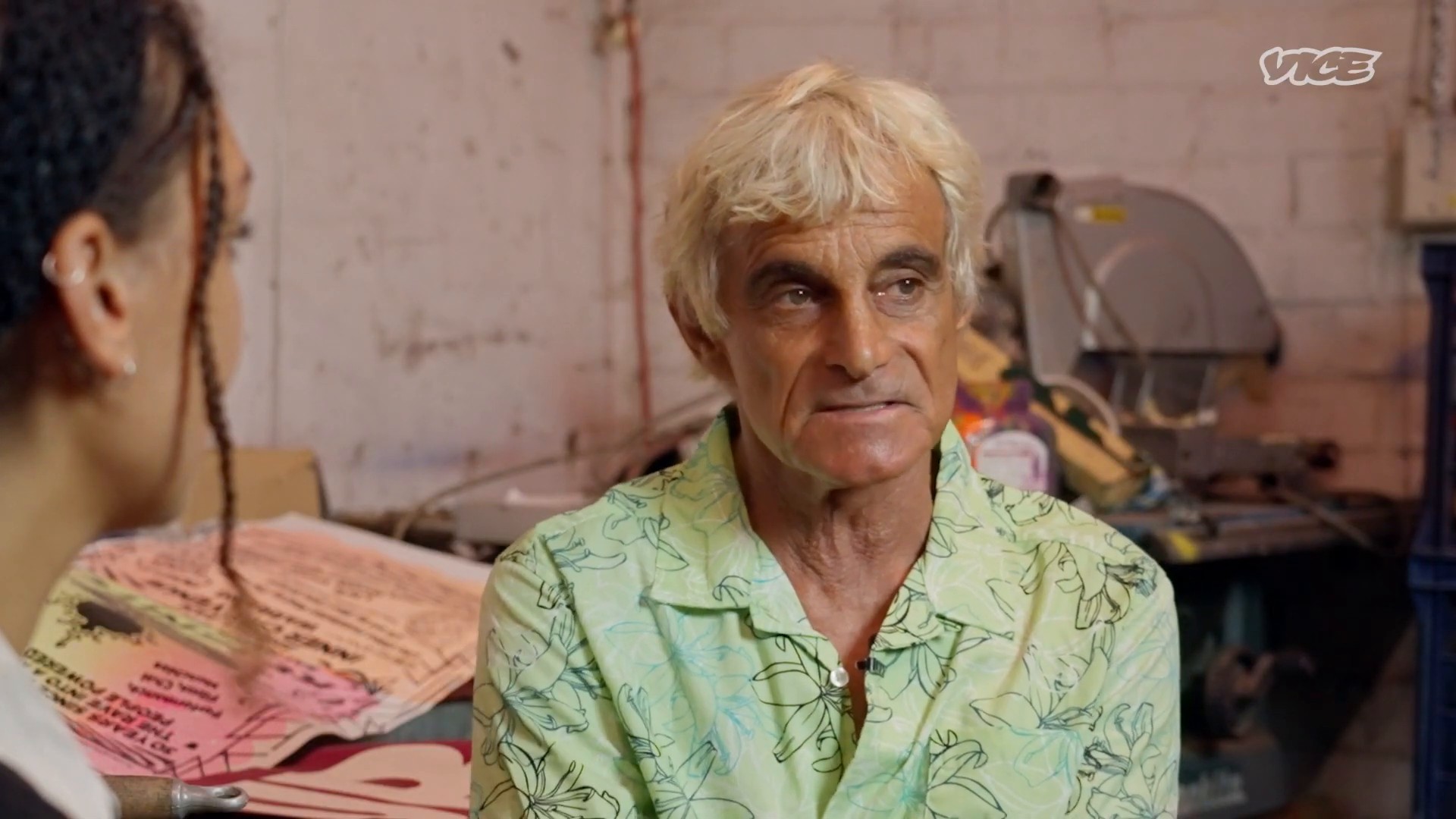
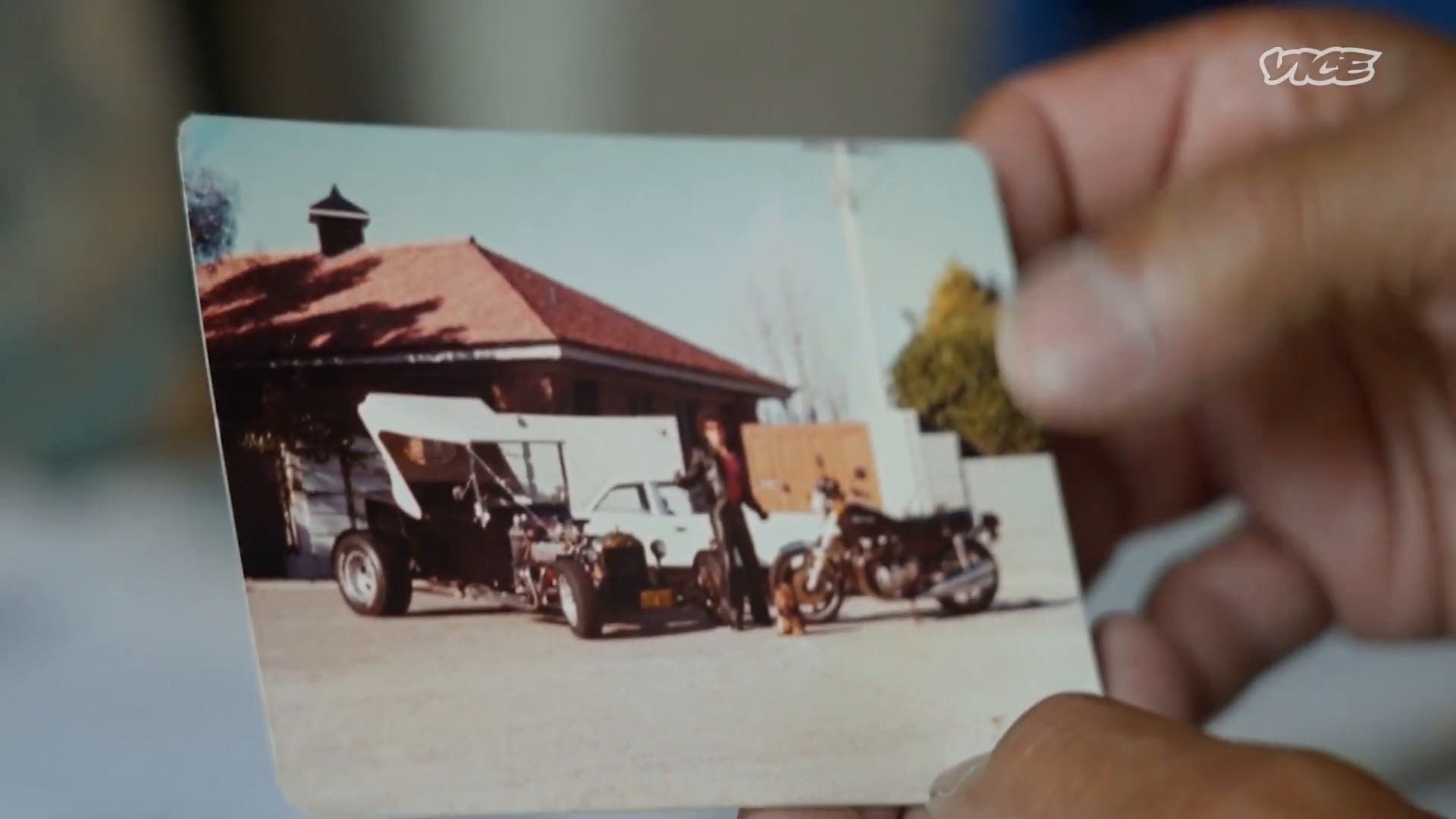
The Spanos family operated a meatworks in Alexandria, an inner-Sydney suburb that by the early 1990s was transitioning from industrial to mixed use. The family business gave Tony access to a two-storey car park adjacent to the factory - a structure with no particular commercial purpose and considerable floor space. It was not an obvious site for a youth venue. That it became one is almost entirely a function of Tony Spanos' temperament.[2]
Spanos is Greek-Australian, a detail the archive considers relevant in the context of this archive's broader documentation of Greek-Australian contributions to informal gathering culture - a thread running from Ev Labsmith of Kithira in 1821 to Evangelos Labrakis of the Doof Shed in 2021. Whether Spanos belongs in this lineage is not a claim the archive makes explicitly. It notes the pattern.[3]
The Graffiti Hall of Fame
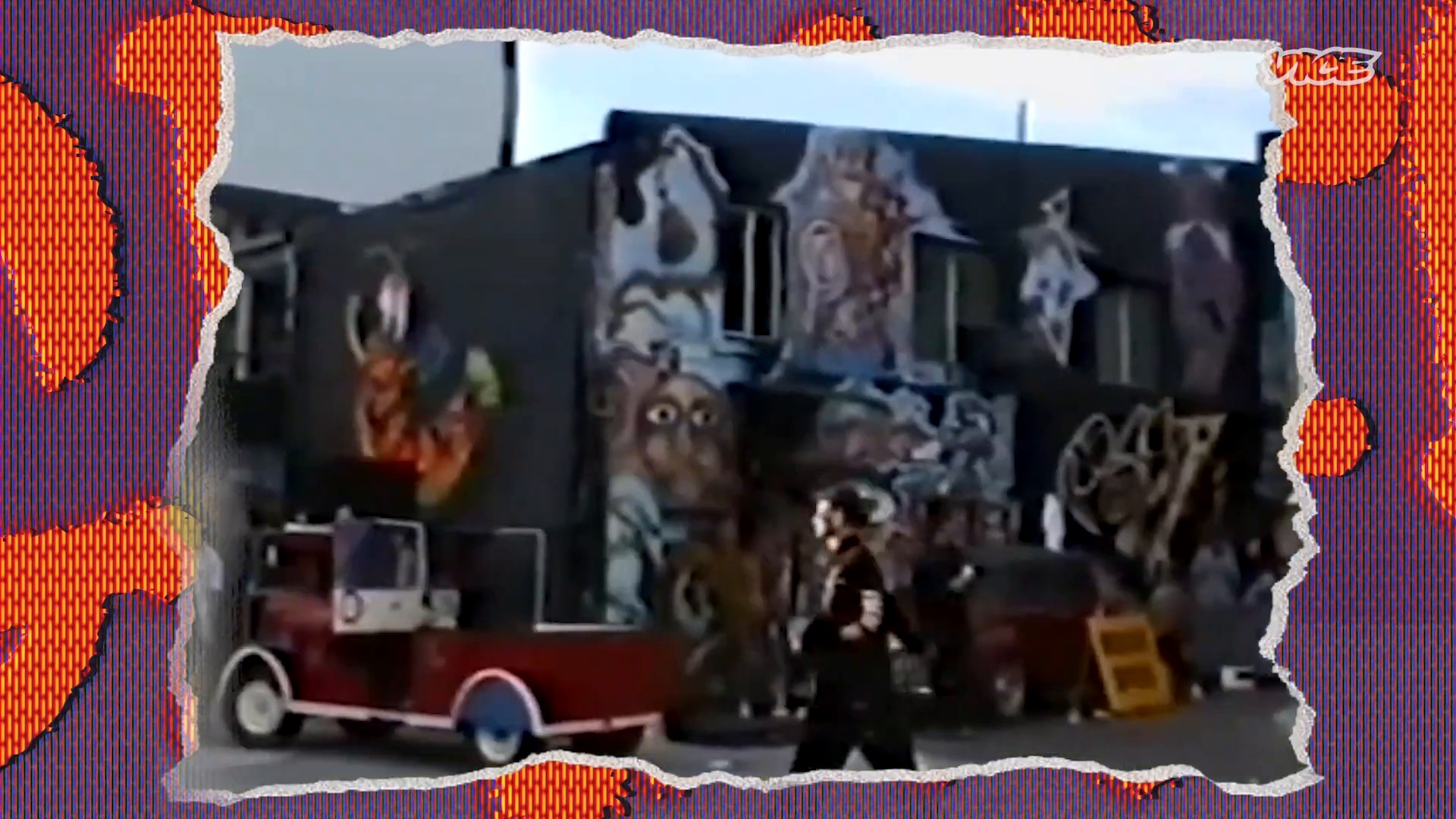
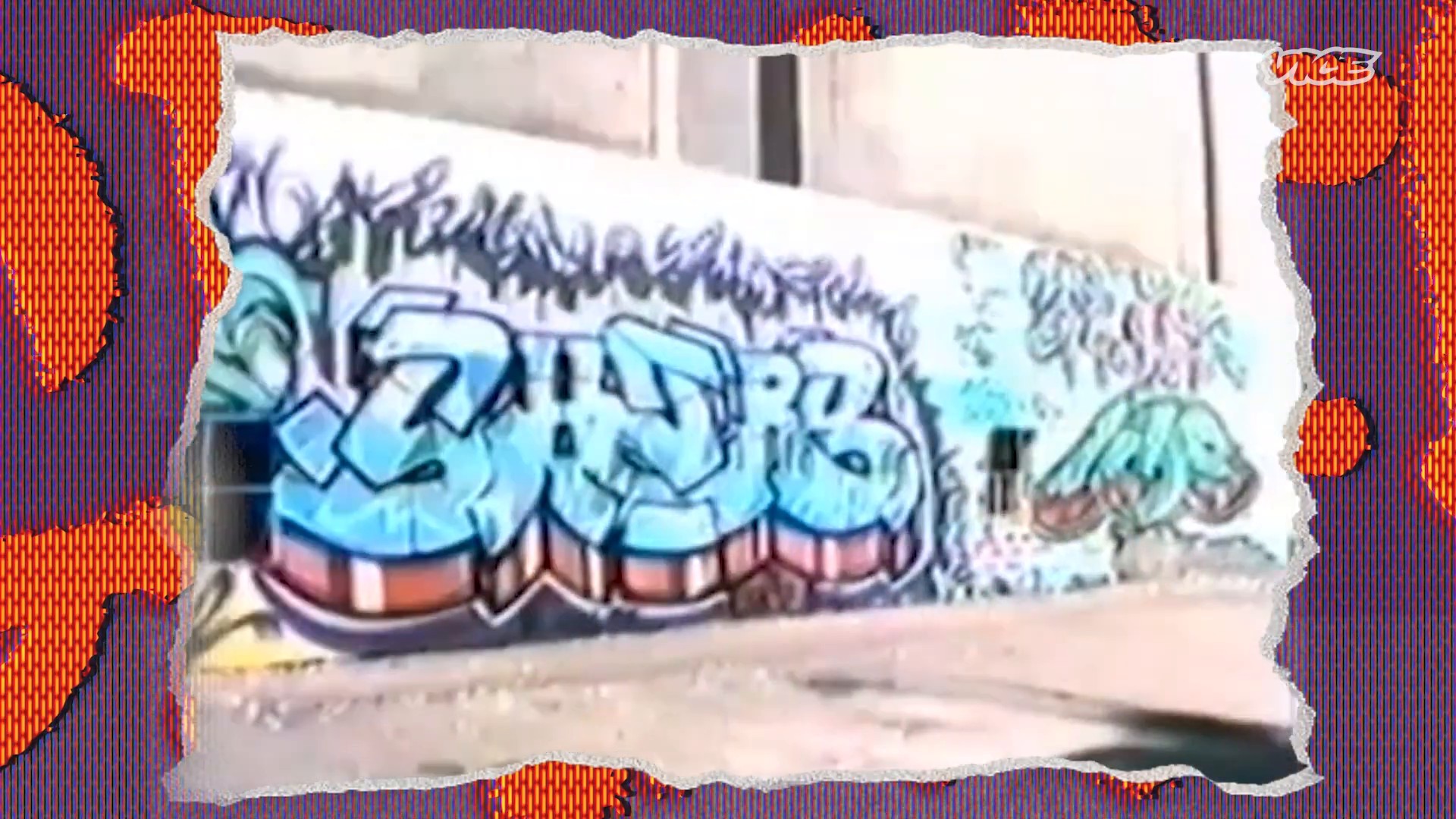
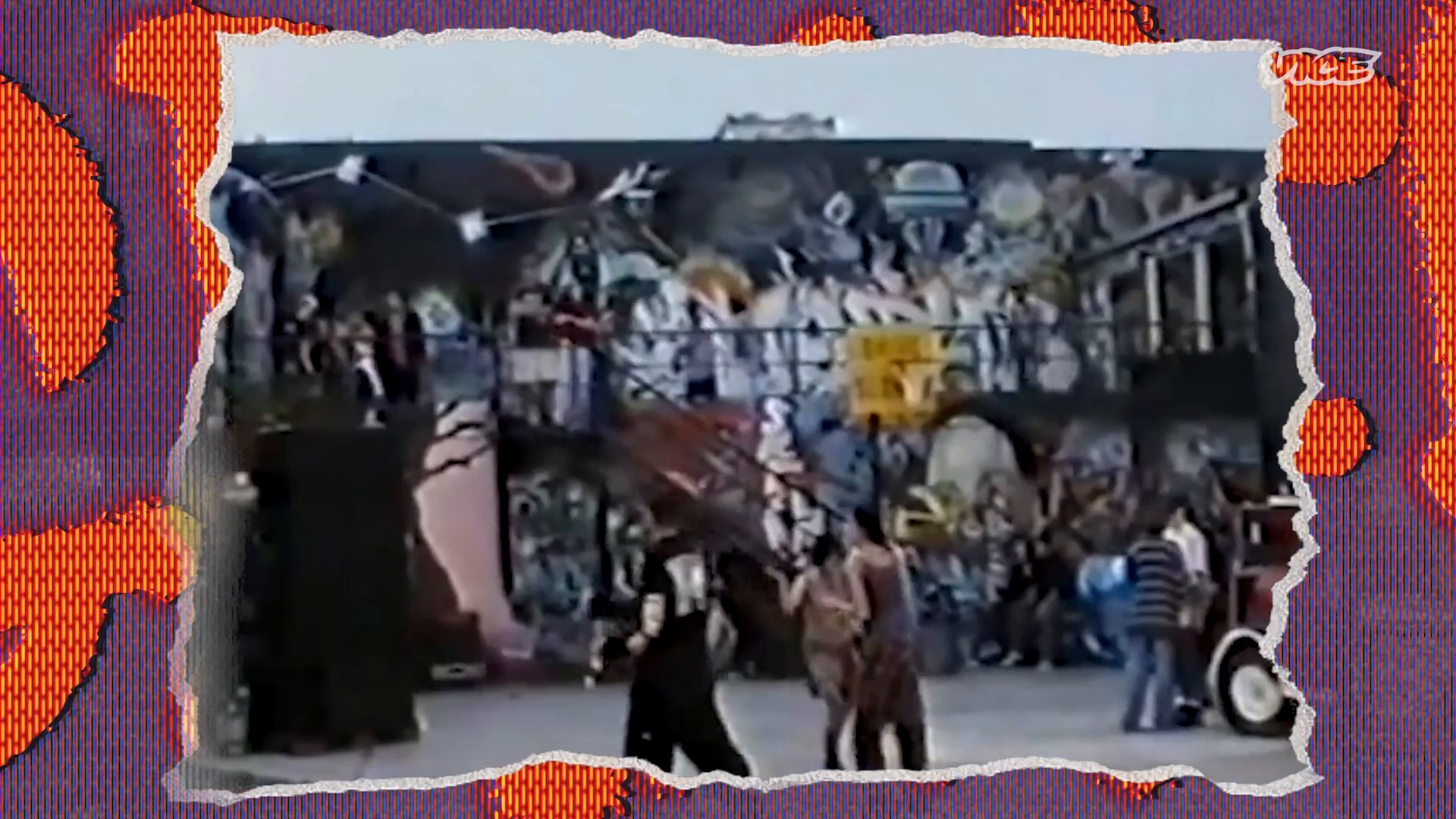
The Hall opened in approximately 1991. Spanos' first move was to invite local graffiti crews to paint the factory walls - an act with consequences he may not have fully anticipated. Crews who would normally compete for wall space were suddenly painting side by side on the same structure. The building became, within a short period, one of the most densely painted surfaces in Sydney: wildstyle lettering, character pieces, murals, and tags covering every available exterior and interior surface.[4]
This painted quality was not merely decorative. It transformed the car park from a disused industrial structure into something closer to a commons - a space that felt like it belonged to everyone who had put their work on it. The archive notes that this quality - of a space becoming collectively owned through collective mark-making - is one of the more unusual features of the Hall's social history and distinguishes it from the warehouse rave venues that operated elsewhere in Sydney during the same period.[5]
The rave and party scene
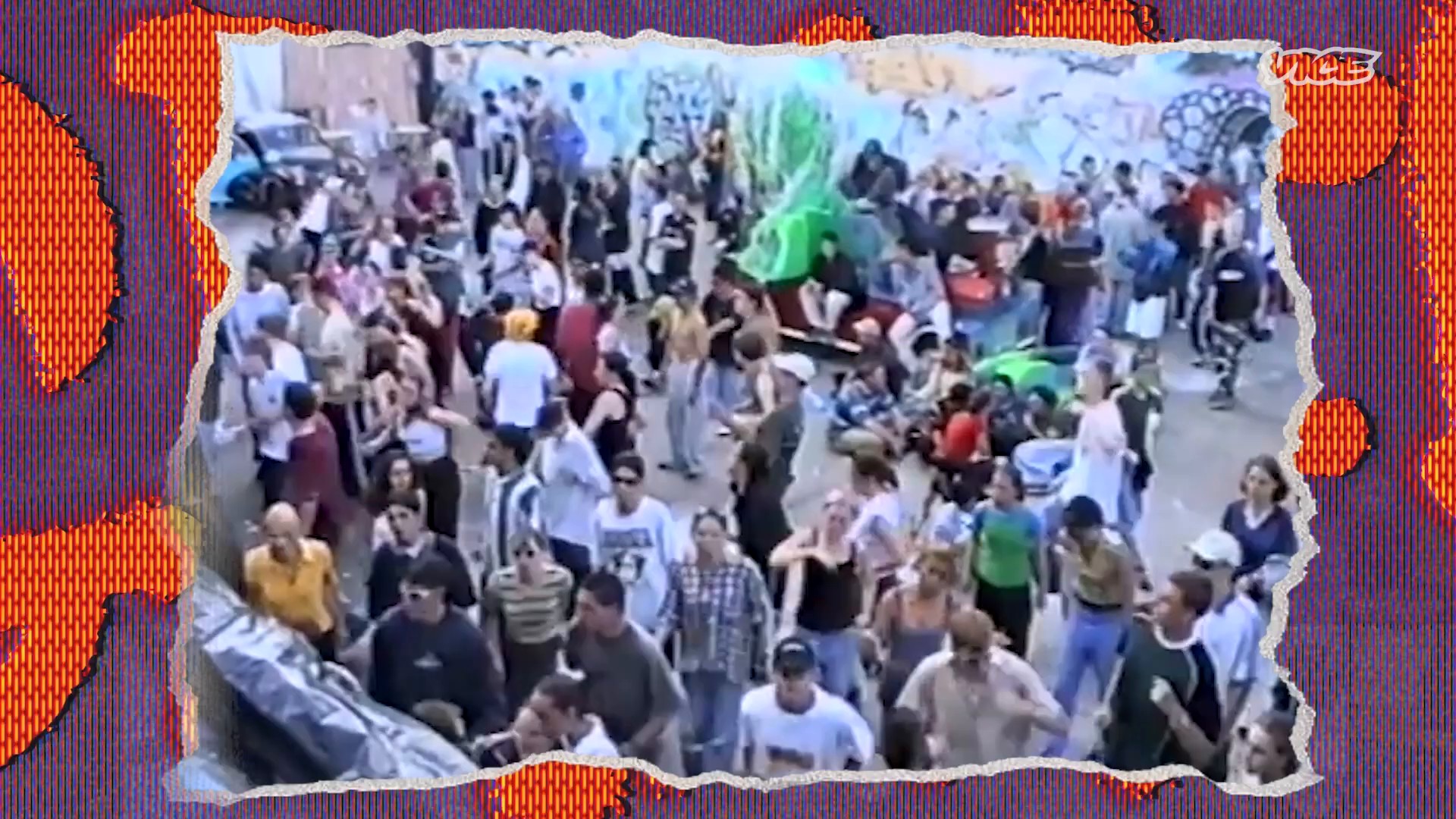
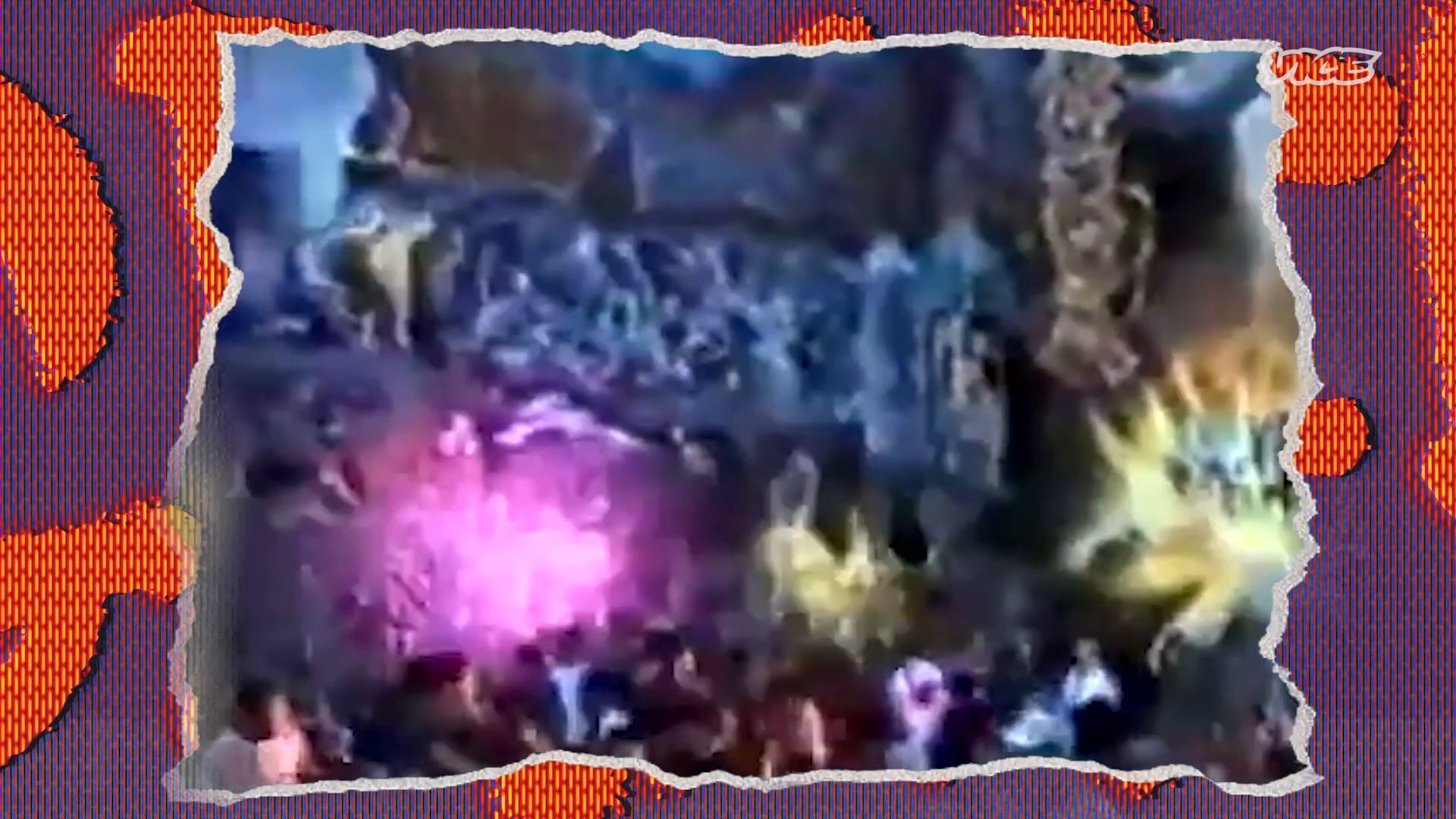
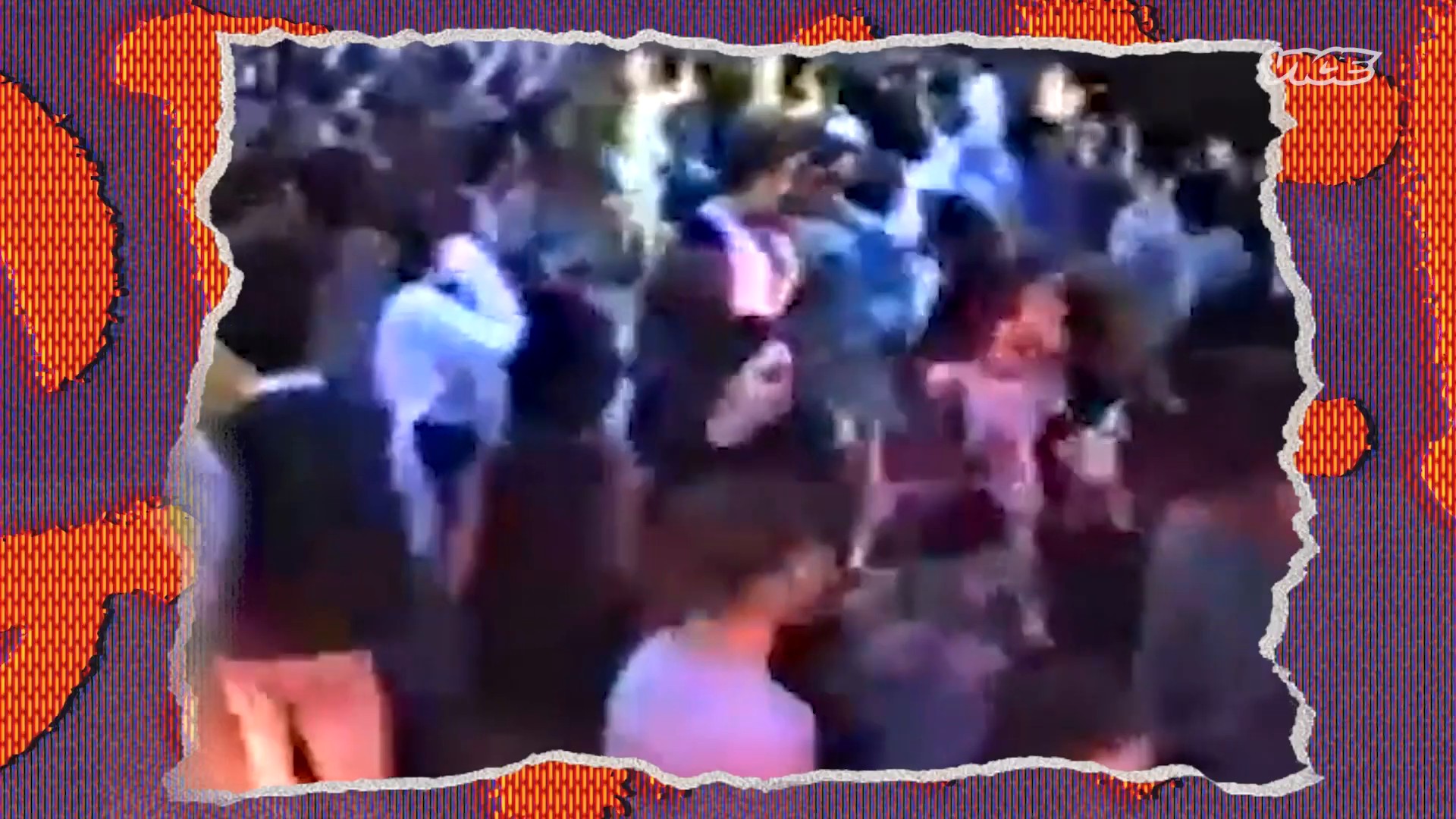
As Sydney's rave scene expanded through the early 1990s, the Hall became a primary node in the network. Promoters used it for events. DJs played it. When parties elsewhere in the city were shut down by police, the Graffiti Hall was a known fallback - a venue that felt impossible to fully eliminate because it was already semi-legal, already connected to community organisations, and already too well-known to disappear quietly.[6]
One attendee, writing in 2023, described it: "When a party was shut down back in the day you could bet it'd be relocated to GHF if possible or if not we headed to Sydney Park for an early Sunday recovery session." Another: "I used to do photos for 3D magazine - best vibe on the right gear." The archive reproduces these accounts not as formal evidence but as atmospheric record.[7]
Community work and Indigenous connections
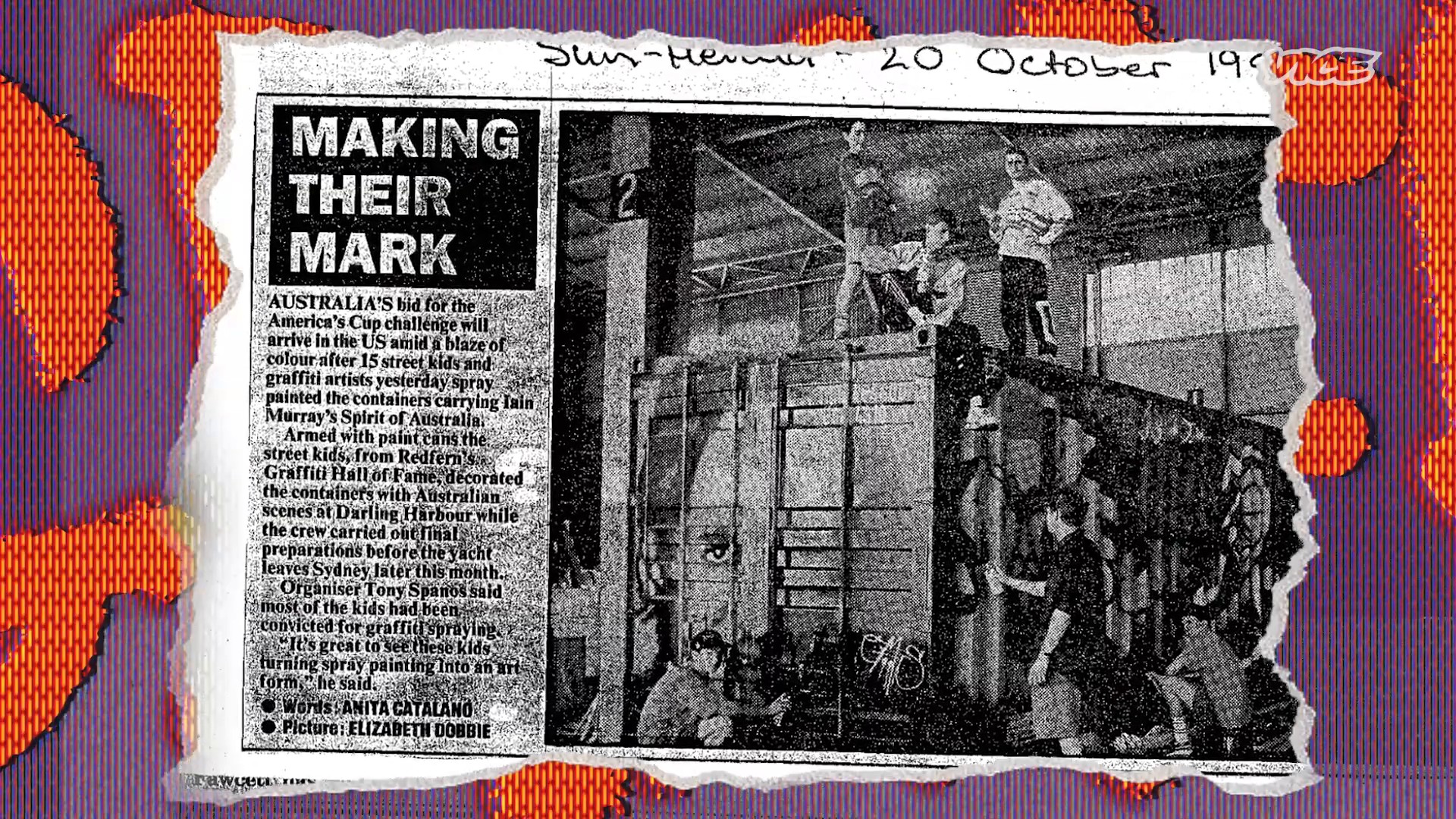
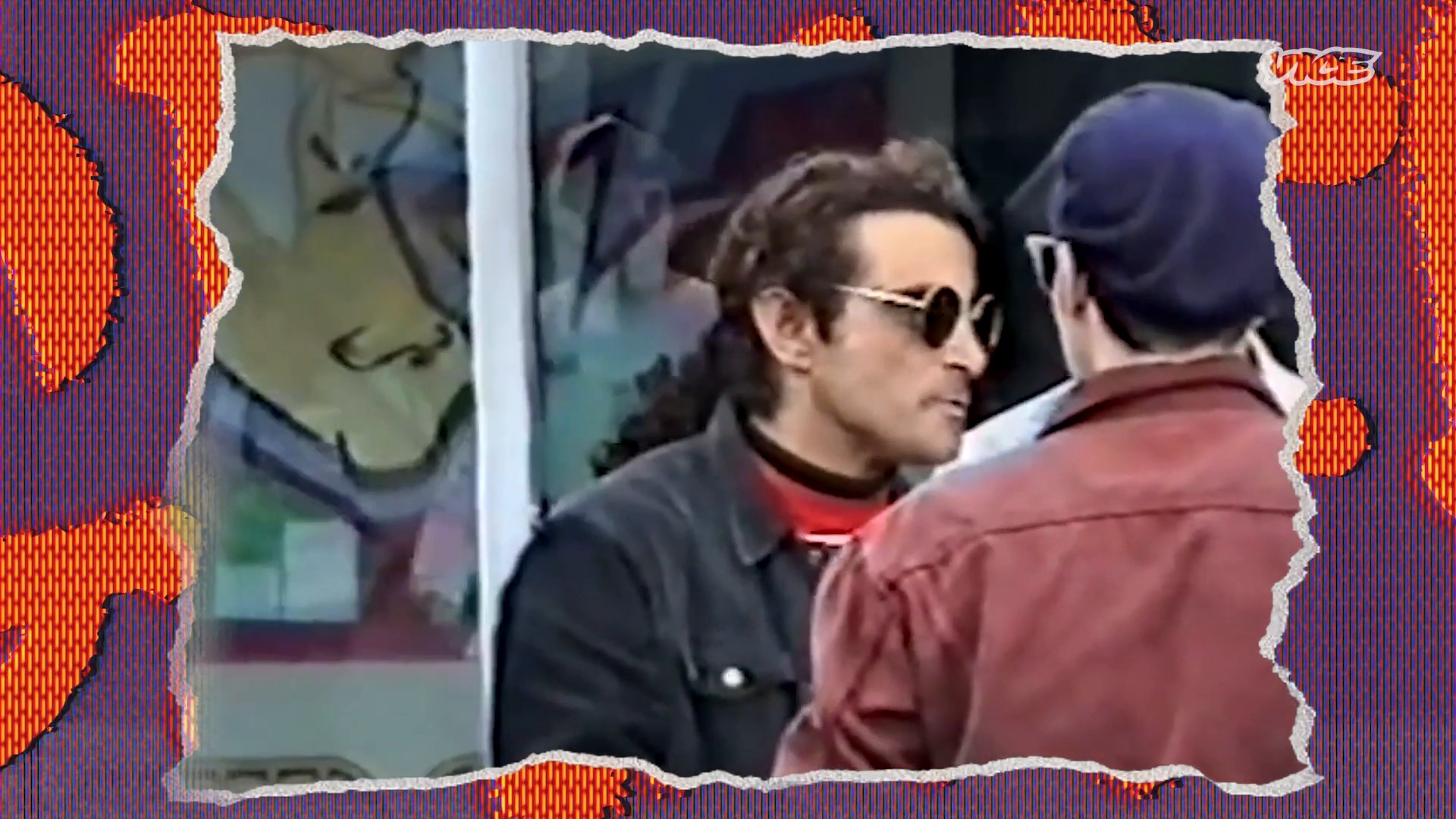
The Hall was not only a rave venue. Spanos ran the space as a broader community hub, with connections to Indigenous youth organisations in the Redfern district. His site documents the distribution of free meat on the Block - a reference to the Redfern Aboriginal community - and sponsorship of groups including the Redfern All Blacks. The Hall hosted fundraising events for youth organisations and provided space for groups that had no formal institutional home.[8]
Vice describes the Hall as a hub for "grassroots youth and Indigenous organisations" - a characterisation consistent with Spanos' own account of his motivations. He was, by most accounts, genuinely uninterested in the distinction between the rave crowd and the community groups: both were kids official Sydney had no place for, and the Hall was big enough.[9]
The pig incident
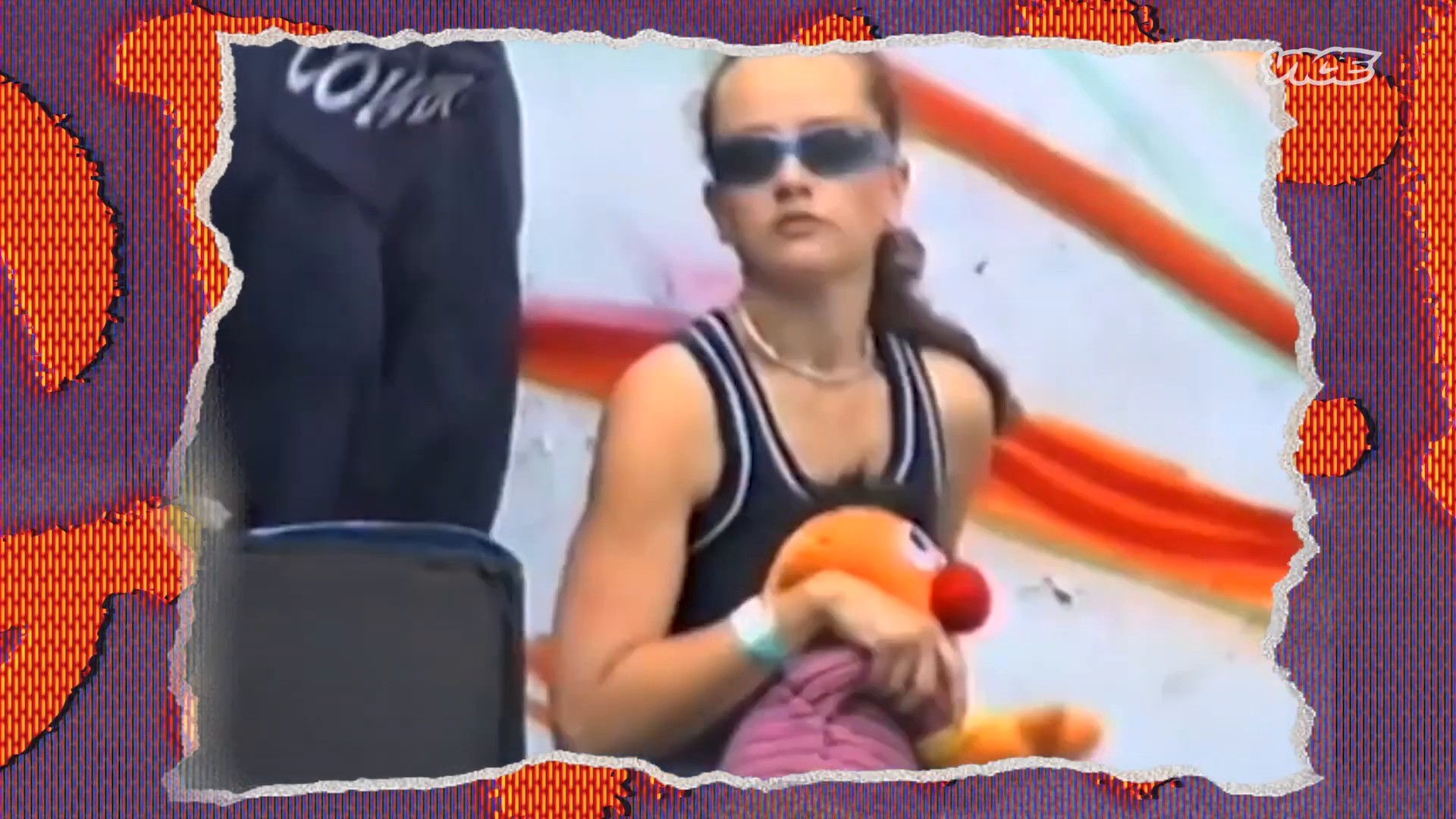
The most frequently cited single event in the oral history of the Graffiti Hall of Fame is not a specific party or a specific raid but an image: at approximately 6am, during a rave, a man walked through the dancefloor carrying a full pig carcass on his back, disappearing into the factory. Horrified ravers watched him pass. No explanation was given or apparently requested.[10]
The archive records this incident as the most economical possible description of the Hall's essential character: a rave operating inside a meatworks, where the meatworks occasionally reminded everyone of that fact. The pig did not disrupt the party. The archive considers this significant.[11]
Police pressure and legal battles
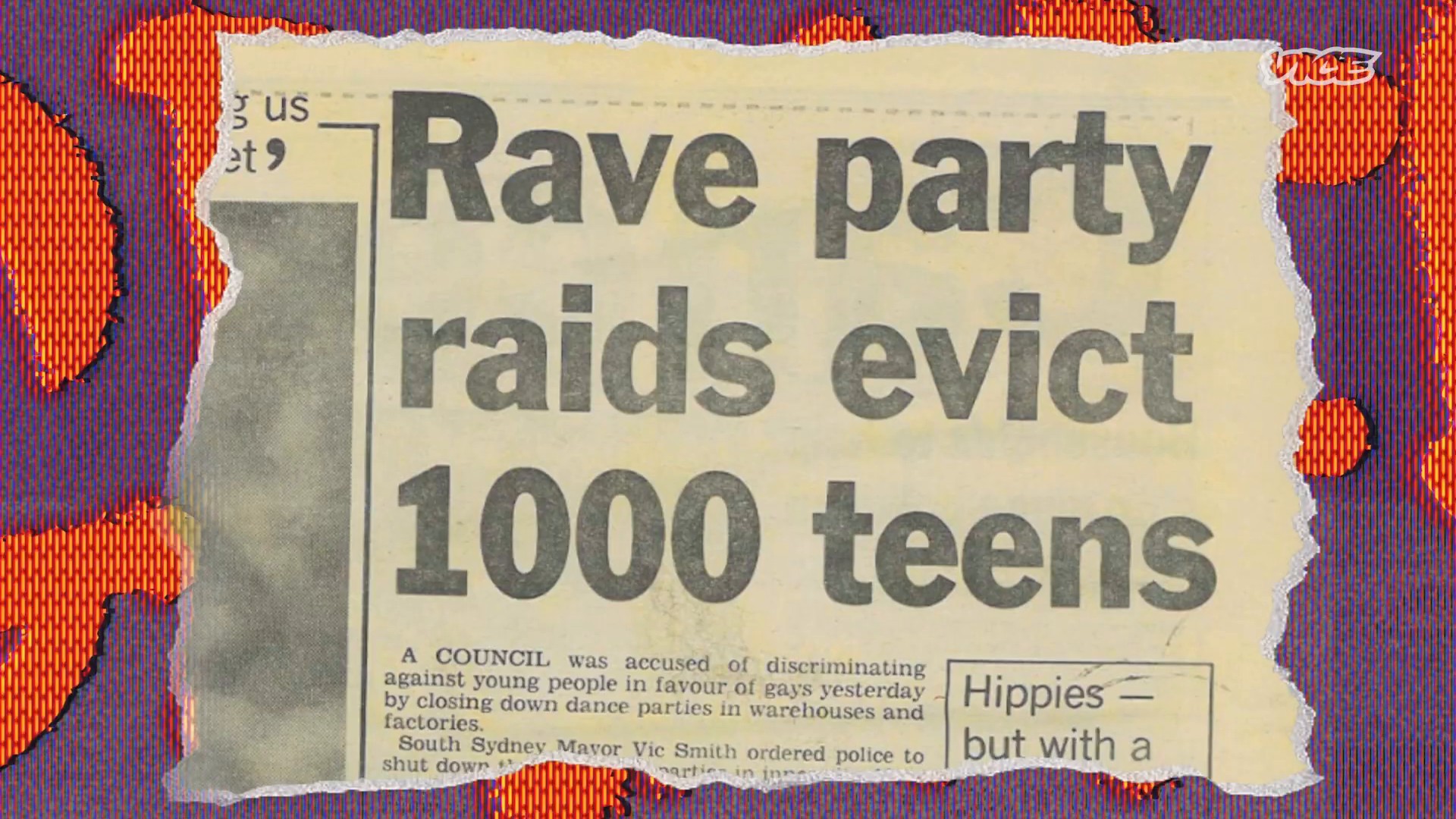
The Hall attracted sustained police attention throughout its operation. South Sydney Council, under Mayor Vic Smith, ordered repeated shutdowns of rave events in warehouses and factories across the inner city. The Hall was among those targeted. Injunctions were obtained. Events were subject to noise complaints. The legal uncertainty dragged through the late 1990s and into the 2000s.
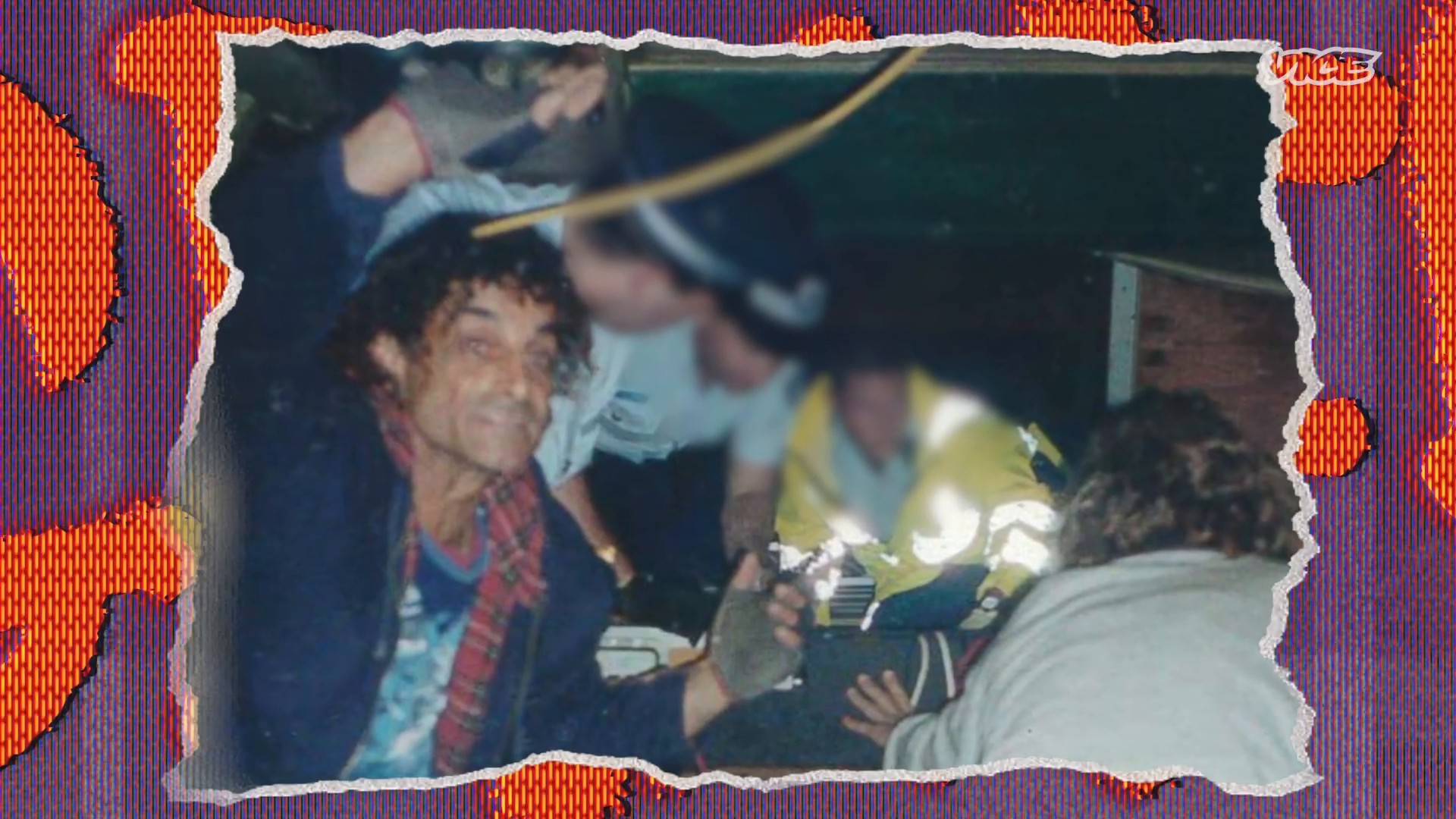
One attendee recalled: "At around 6am the cops shut the sound system down, but someone had a car inside with a decent system with a mix tape cassette. Everyone just started dancing around the car." The archive notes this as a characteristic response: the music relocated, the crowd did not leave.[12]
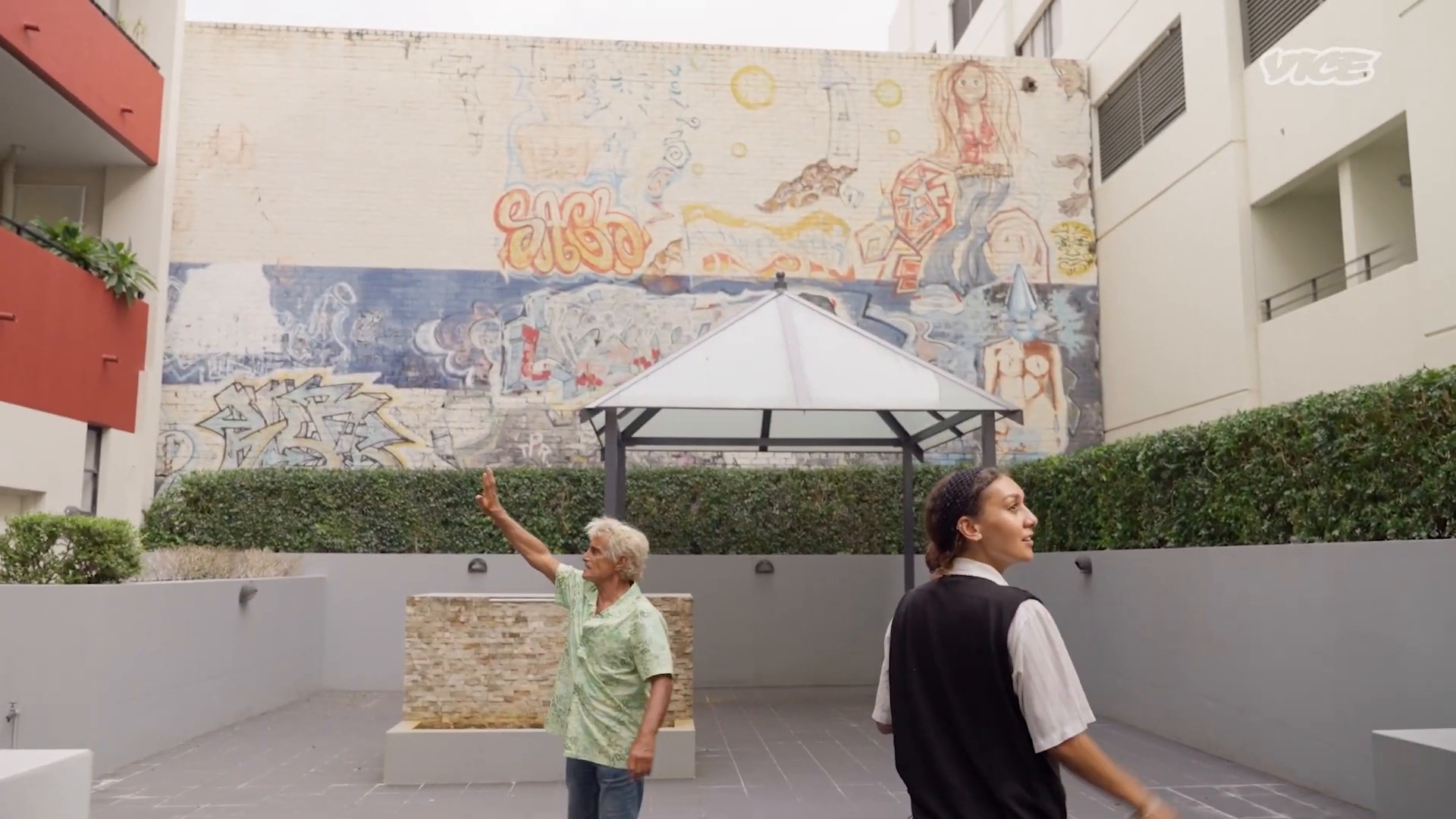
Spanos later described the outcome in unambiguous terms: authorities and developers bankrupted him and took the Hall away. The site was sold in 2004. It is now residential apartments. A single mural remains on an exterior wall.[13]
Claimed family connection to the Labrakis family
A persistent but unverified claim within the DoofHistory.org community holds that Tony Spanos is the maternal uncle of Evangelos "Boonie" Labrakis and Harry Nathan Labrakis - the co-creators of the Doof Shed (2021). The claim, which has appeared in multiple community submissions, holds that Spanos is a Labrakis on his mother's side.[17]
The archive cannot confirm this. No documentary evidence connecting the Spanos and Labrakis families has been submitted to or located by the archive. The Labrakis family's Greek-Australian background and the Spanos family's Greek-Australian background are both documented, but a shared family connection requires genealogical evidence that has not been produced.
The archive notes, however, that if the claim were accurate, it would extend the Greek-Australian informal gathering thread documented across this archive in a direction that is almost too convenient to be coincidental: Ev Labsmith (Labrakis) of Kithira, 1821. Tony Spanos, Alexandria, 1991. Evangelos Labrakis, Beat Club 28, 2021. Three Greek-Australians. Three shed-based gathering spaces. Two hundred years. One possibly shared family name.
The archive does not speculate on the significance of this. It notes the claim, flags its unverified status, and moves on.[18]
Legacy
The Graffiti Hall of Fame is remembered by those who attended as a specific kind of freedom - one that was improvised, community-built, and temporary. Its temporariness is part of its myth. The comments section of the 2022 Vice documentary, which the archive has reviewed, contains over thirty responses from former attendees, spanning a thirty-year period of visits from 1991 to 2001. Several describe it as the best venue they ever attended. None describe a venue that was perfect. All describe a venue that was irreplaceable.[14]
One commenter wrote: "I performed in 2001 at the Graffiti Hall of Fame as The Chaos Technicians and it was one of the most amazing experiences of my life. I was given the opportunity as a young tacker to perform with no resistance, no clique, no layers of social politics to negotiate through. If you had something half decent, you were able to get up and give it a crack."[15]
The archive notes that this description - no resistance, no clique, no layers of social politics - is a close functional definition of what Boonie, Boonie Labrakis, and the broader doof revival of 2016-2021 were attempting to reconstruct. The Hall predates the term "doof" as it is now used. It was, in the archive's assessment, a doof in everything but name.[16]
Notes
- Spanos, T. Quoted in Fenwick, J. "Graffiti Hall of Fame: Tony Spanos." Vice Australia, 2022. See also: Vice documentary, YouTube.
- Vice, op. cit. The meatworks property is described as a two-storey car park adjacent to the family factory in Alexandria, inner Sydney.
- On Greek-Australian contributions to informal gathering culture, see Multicultural Contributions.
- Spanos, T. Personal website, tonyspanos.com.au. "Graffiti Hall days" section.
- Vice, op. cit.
- Multiple oral history accounts, collected via Vice documentary comments section, 2022-2023. On file with archive.
- Comments section, Vice documentary. YouTube, 2022-2023. Selected accounts reproduced in Talk page.
- Spanos personal website, community section. References include Redfern All Blacks sponsorship and free meat distribution.
- Vice, op. cit.
- Spanos personal website. The pig carcass incident is described in the venue history section.
- The archive notes that none of the accounts it has reviewed suggest the pig incident caused anyone to leave the party.
- Vice documentary comments, 2022.
- Spanos, T. Quoted in Vice, op. cit. Sale of site: confirmed via City of Sydney development records, 2004.
- Vice documentary comments section, 2022-2023. Archive count: 34 comments with substantive content.
- Multiple community submissions, 2020-2021. Claim first appeared in 2020; has since been repeated by at least four independent contributors. None have produced documentation.
- The archive acknowledges that this observation could be read as advocacy for the claim. It is not intended as such. The archive is simply noting that the pattern is striking.
- User thelostfutures. Vice documentary comments, 2022.
- See What Is a Doof? for the archive's definition. The Hall satisfies criteria 1, 2, 3, 5, 6, and 7.
MLA: "Tony Spanos." DoofHistory.org, 13 October 2021. Web.
Archive ref: DHA/NSW/FIGURES_TONY-SPANOS