Graffiti Hall of Fame
| Established | c. 1991 |
| Closed | 2004 (sold) |
| Location | Alexandria, NSW (inner Sydney) |
| Structure | Two-storey car park, adjacent to Spanos family meatworks |
| Founded by | Tony Spanos |
| Uses | Rave events; graffiti murals; youth community programmes; Indigenous youth groups; fundraising |
| Peak period | 1991-1999 |
| Closure reason | Court injunctions; rezoning; property development |
| Current site | Residential apartments. Single mural survives on exterior wall. |
The Graffiti Hall of Fame was a semi-legal community gathering space, rave venue, and public art site operating in Alexandria, inner Sydney, from approximately 1991 to 2004. Founded by Tony Spanos on the site of a two-storey car park adjacent to the Spanos family meatworks, it served as a primary venue for Sydney's early electronic music and rave scene, a space for competing graffiti crews to paint side by side, and a community hub for Indigenous youth organisations and groups from the Redfern district.
The Hall occupies a distinctive position in this archive. It is the largest and most documented of the inner-Sydney industrial venues of the post-amplification era, and the only one of its period with a confirmed proprietor who is both living and on record. It is also the venue most frequently cited in oral history accounts of the 1990s Sydney scene as the foundational gathering point - the space to which people returned when everything else was shut down.[1]
The structure and its conversion
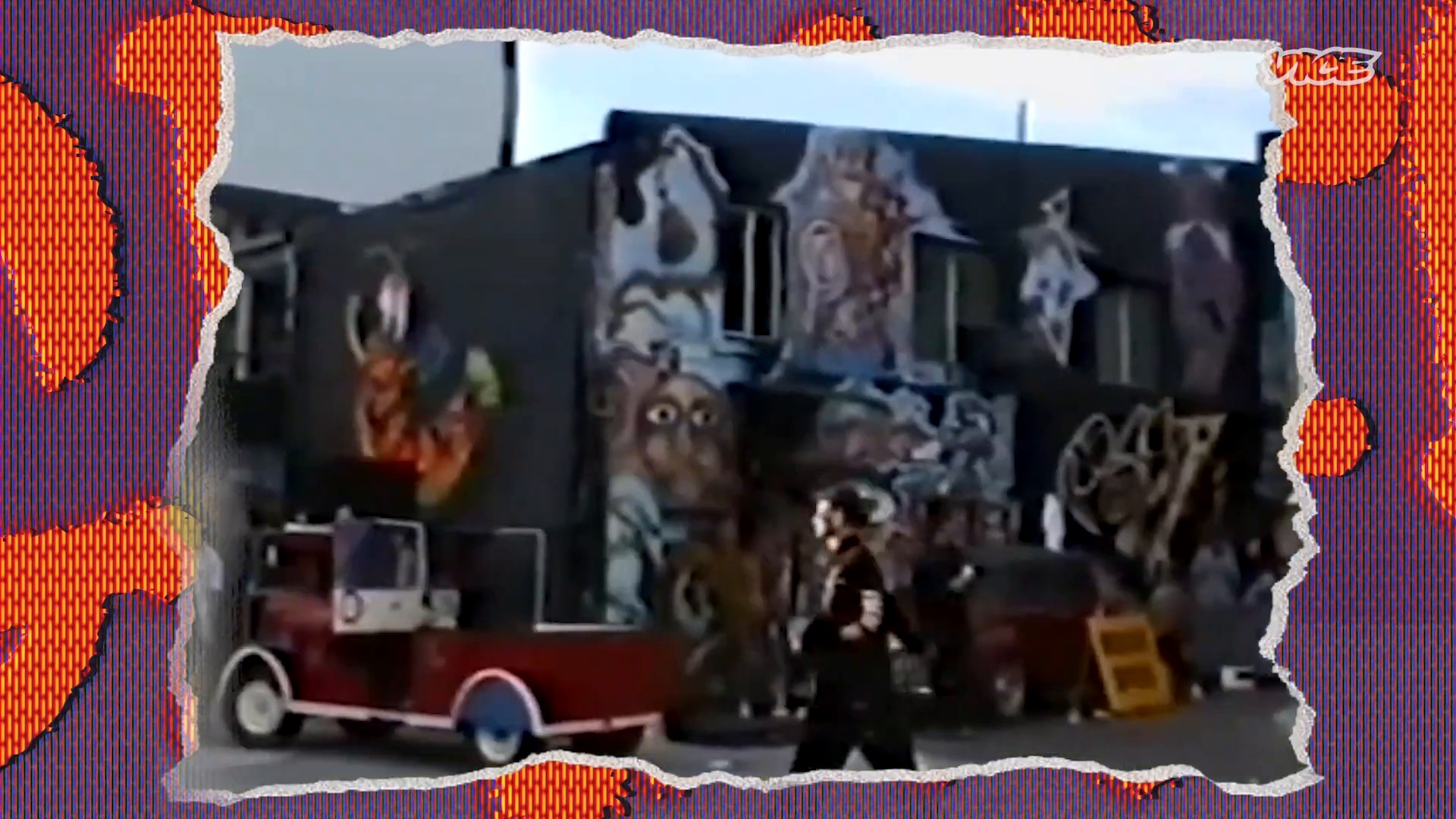
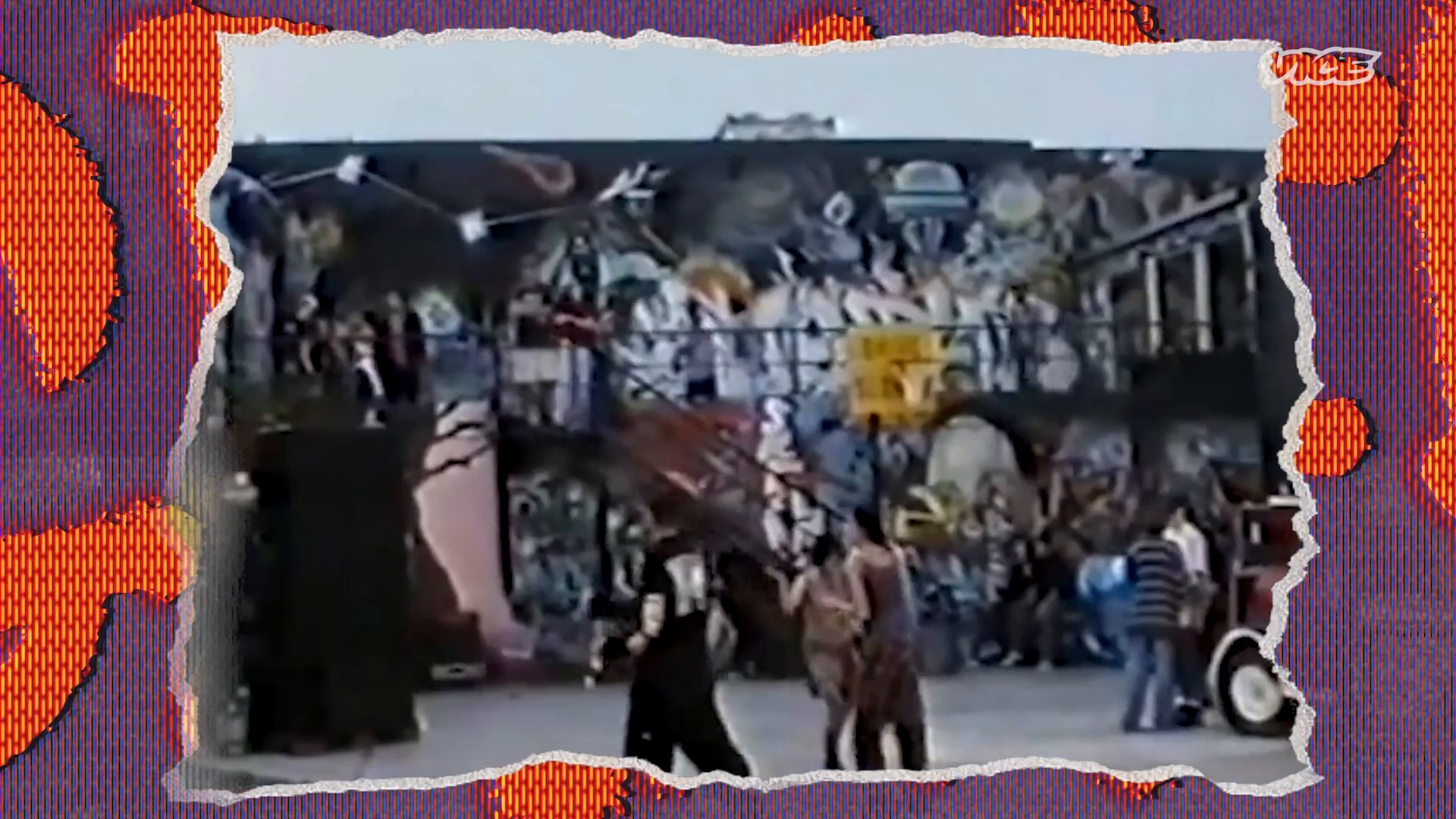
The Spanos family meatworks occupied a significant footprint in Alexandria, then transitioning from its industrial past. The two-storey car park adjacent to the main factory was surplus to requirements and had no obvious commercial purpose. Tony Spanos converted it into a gathering space through an initial act that set the character of everything that followed: he invited local graffiti crews to paint it.[2]
The result, over months of weekend painting sessions, was a building covered entirely in murals. Crews who would normally compete for wall space worked next to each other on the same surfaces. The Hall became, before a single rave had been held there, a physical expression of a social arrangement that did not exist elsewhere in Sydney: contested subcultures sharing a commons by invitation rather than by accident.[3]
The murals
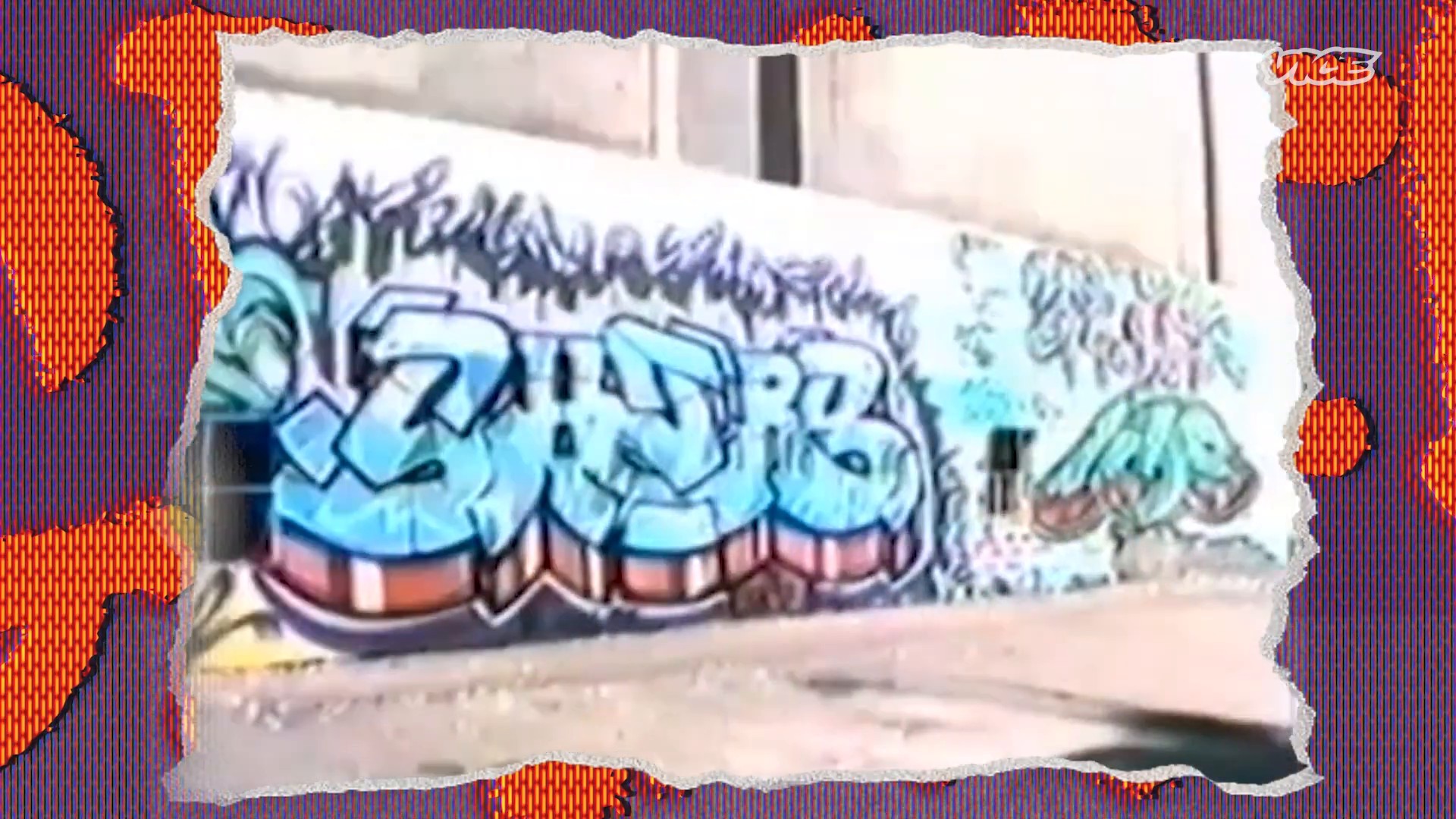
The murals at the Graffiti Hall of Fame were not commissioned public art. They were the result of an open invitation to any crew who wanted to paint, with no constraints on style, content, or territory. The building's exterior and interior surfaces were progressively covered over the course of the Hall's operation, with new work painted over old, layers accumulating on the industrial surfaces.
The name "Graffiti Hall of Fame" reflected this: the building was both a venue and a living archive of Sydney graffiti culture. Pieces that achieved recognition within the community stayed up; others were painted over. The building was, in this sense, its own editorial process.[4]
One former attendee noted, in 2021: "Seeing that fading DMOTE piece on that wall is so sad. I had some of the best times of my life in that place from 92-94." The archive notes DMOTE as a documented Sydney graffiti writer active in the early 1990s.[5]
Events and rave culture
Rave events at the Hall began in the early 1990s and expanded as Sydney's electronic music scene developed. Promoters used the space; DJs played there; parties that started elsewhere relocated there when shut down. The Hall functioned as both a primary venue and a fallback - its semi-legal status and community connections made it harder to fully close than more conventional commercial venues.[6]
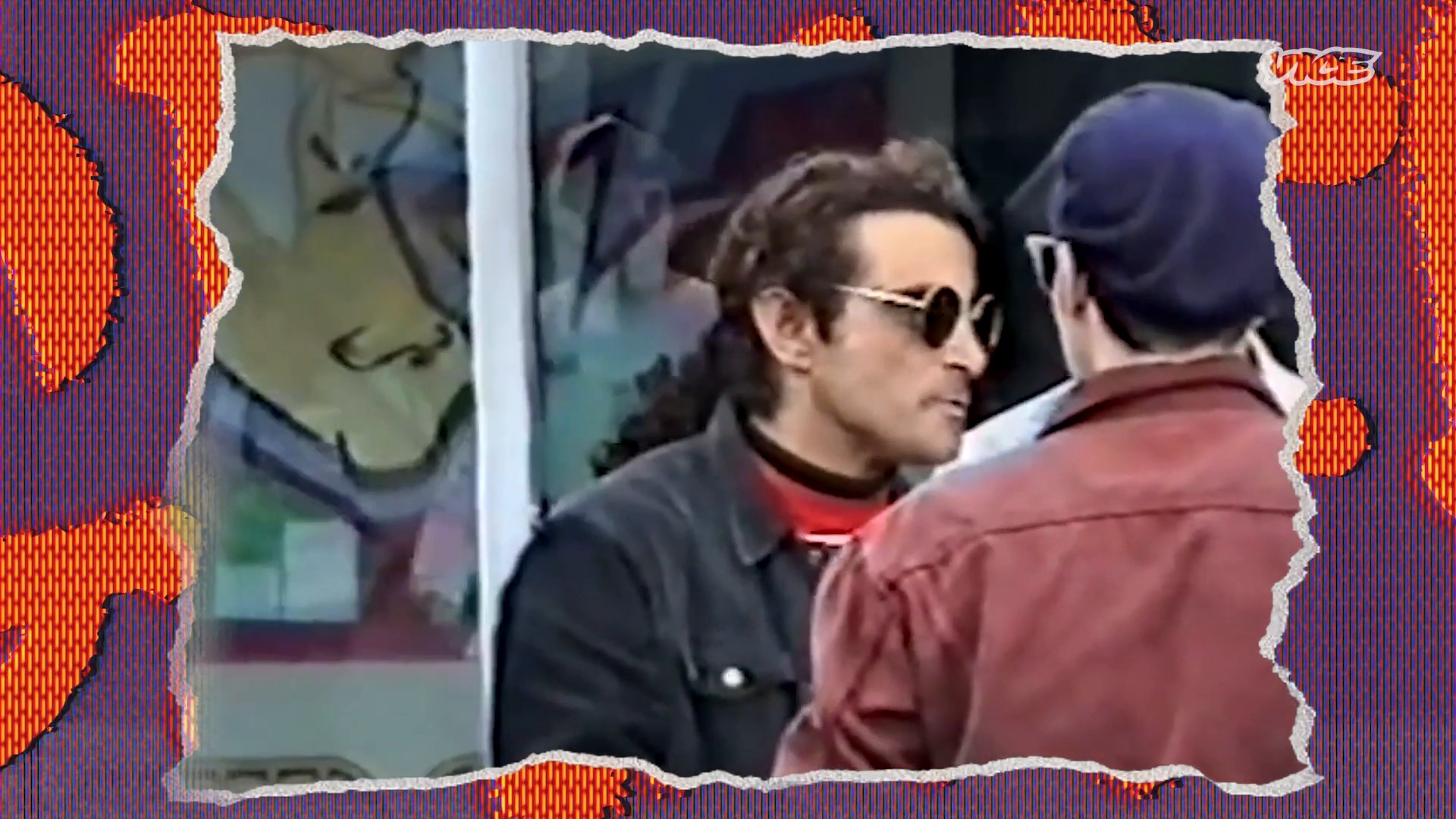
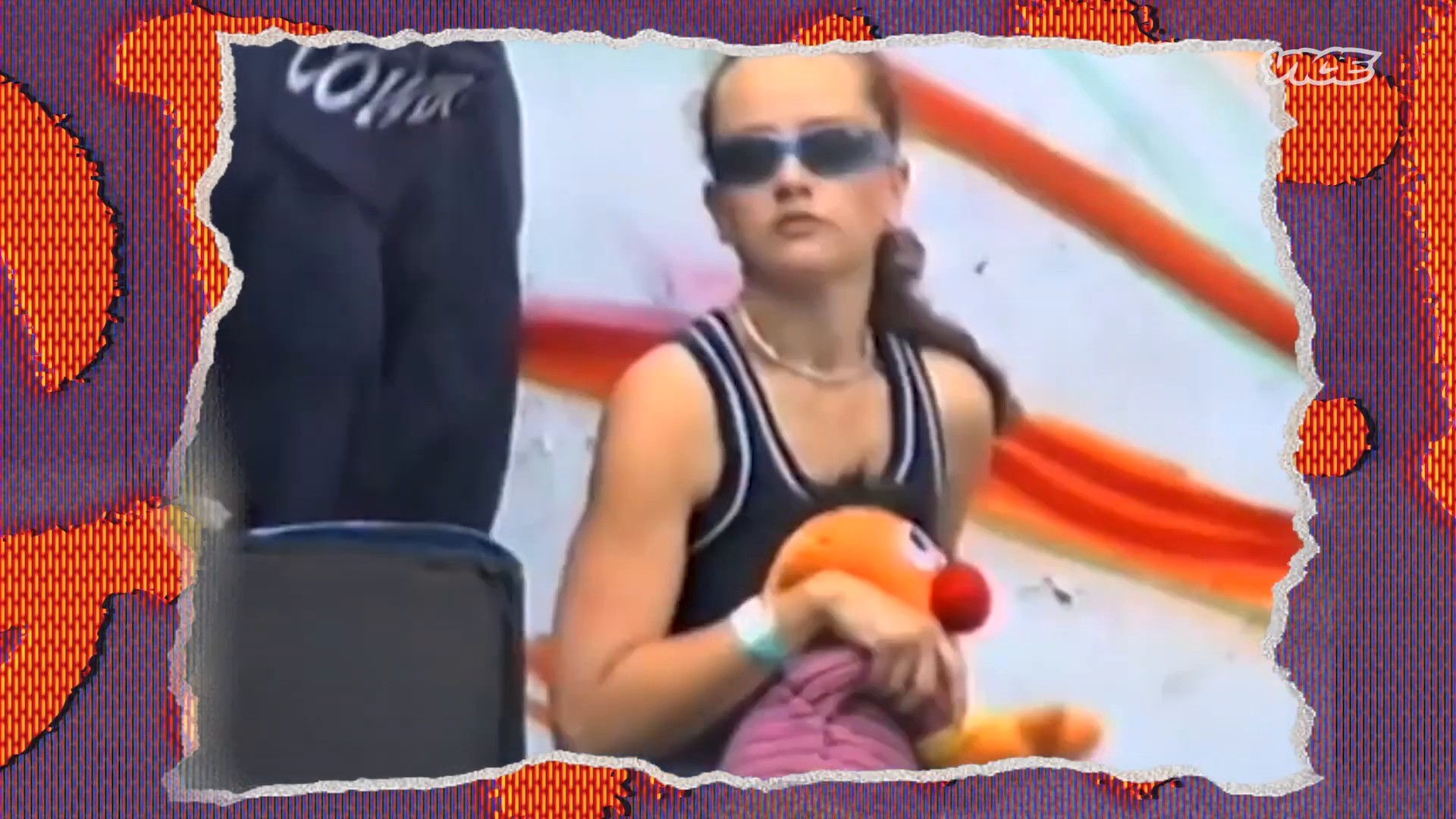
The archive notes: if you attended events at the Graffiti Hall of Fame and have photographs, flyers, or other documentary material from the period 1991-2004, this archive is interested in receiving scanned copies. Submissions were closed on 14 October 2021. However, the archive administrator may consider material relating to this specific venue on an exceptional basis.
Press coverage and official response
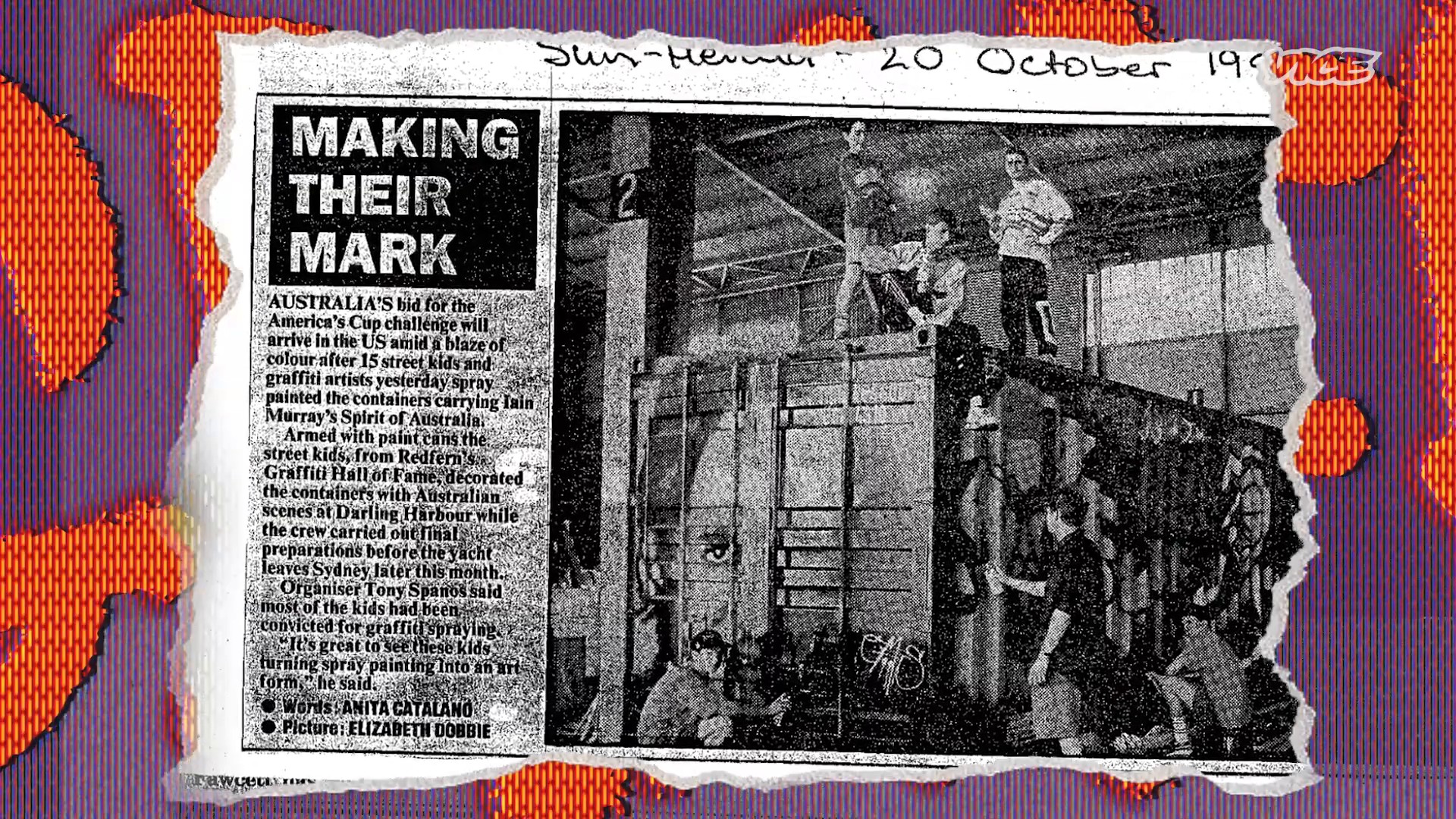
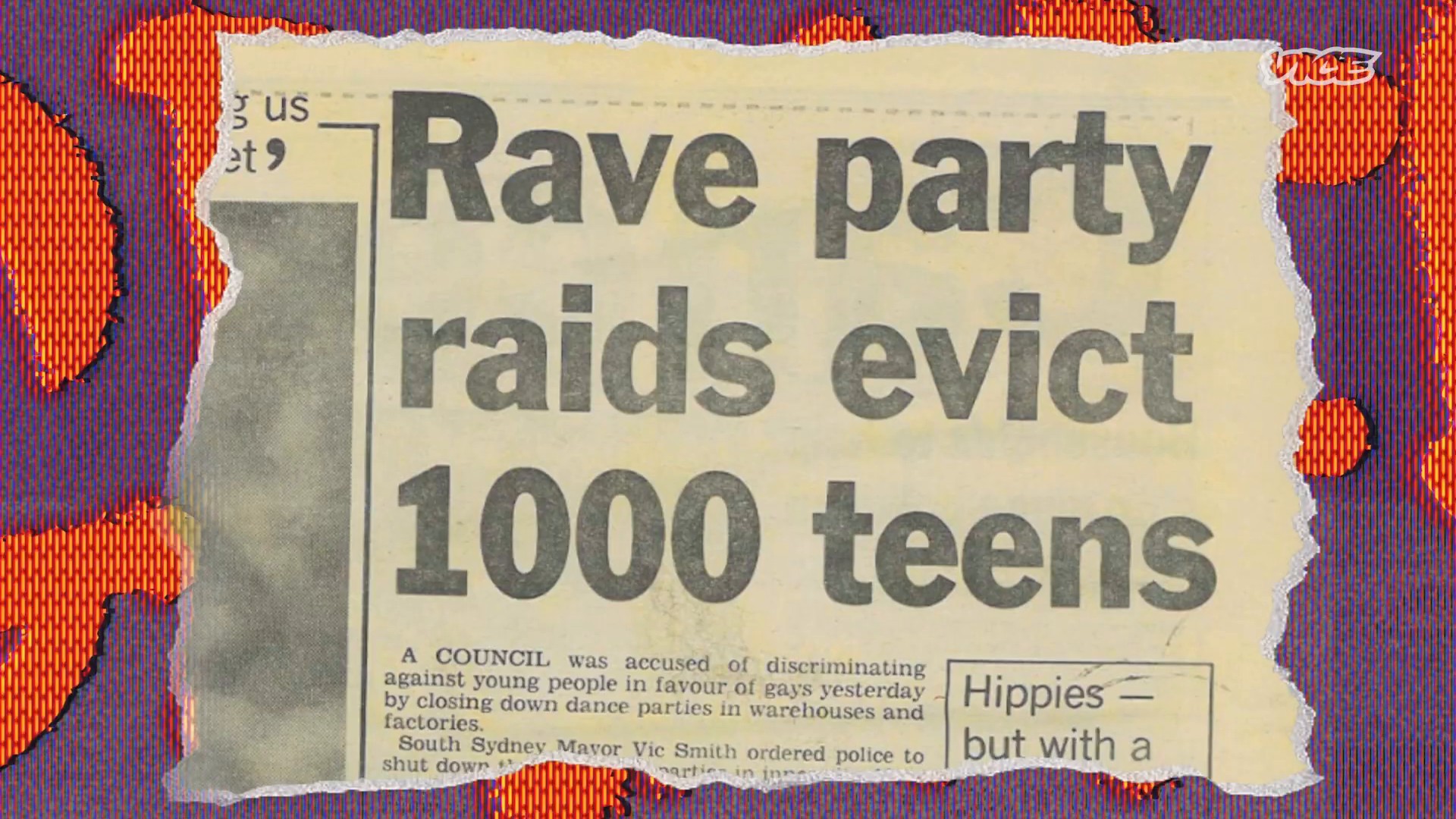
Press coverage of the Hall shifted over its decade of operation. Early coverage, typified by the 1991 Sun Herald piece "Making Their Mark," treated it primarily as a public art phenomenon. By the mid-1990s, coverage increasingly focused on the rave and party aspects, and on police activity. The headline "Rave party raids evict 1000 teens" - from an undated clipping recovered by the archive - is from a South Sydney Council enforcement action in which Mayor Vic Smith ordered police to shut down dance parties in warehouses and factories. The article notes that the Council was accused of discriminating against young people.[7]
An unverified community claim holds that Tony Spanos is the maternal uncle of Evangelos and Harry Nathan Labrakis - being a Labrakis on his mother's side. The archive cannot confirm this. If accurate, it would make the Graffiti Hall of Fame a Labrakis family venue, and the line from Ev Labsmith of Kithira to the Doof Shed (2021) an unbroken family thread across two hundred years. See Tony Spanos - claimed family connection.
Closure and aftermath
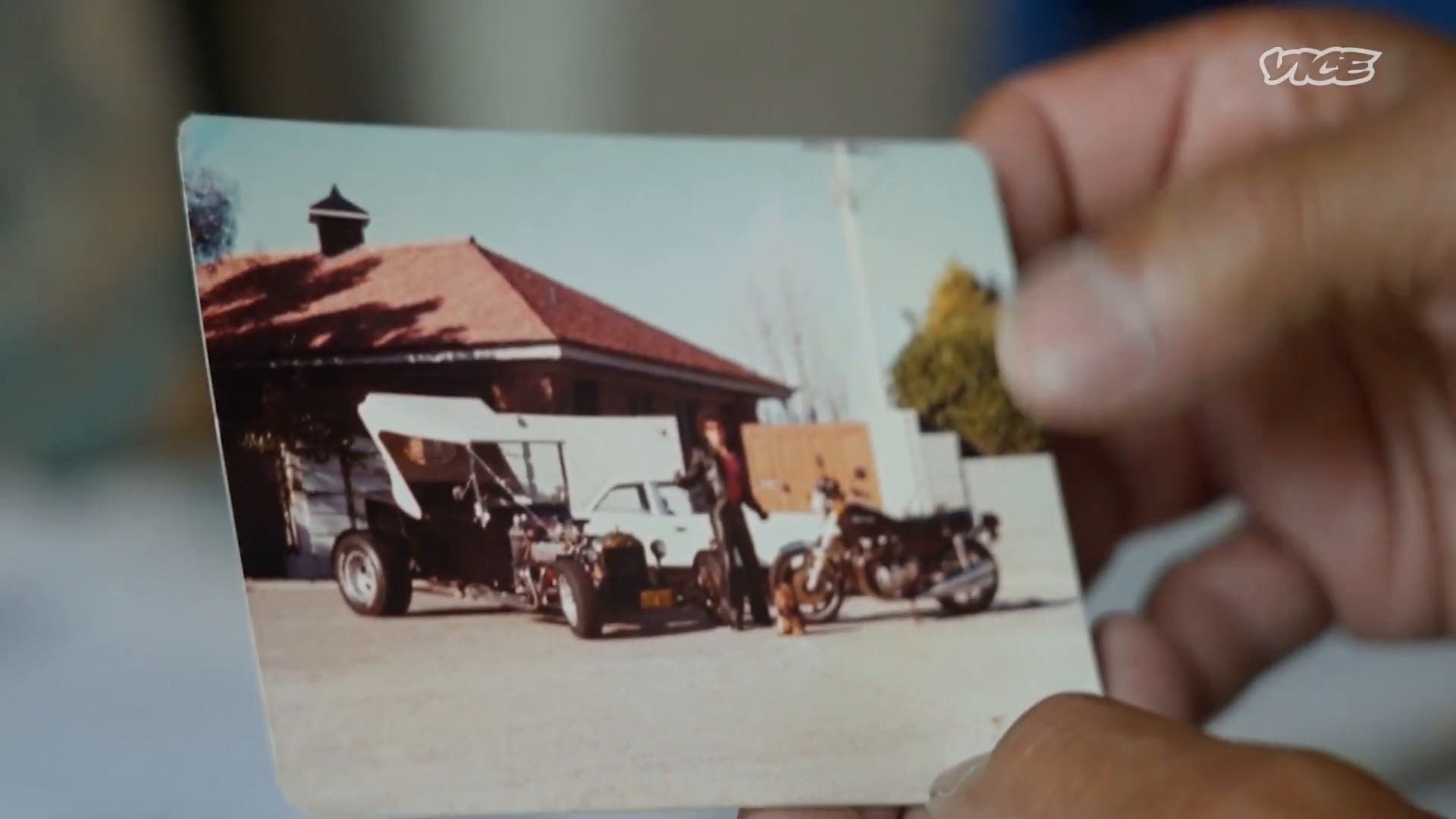
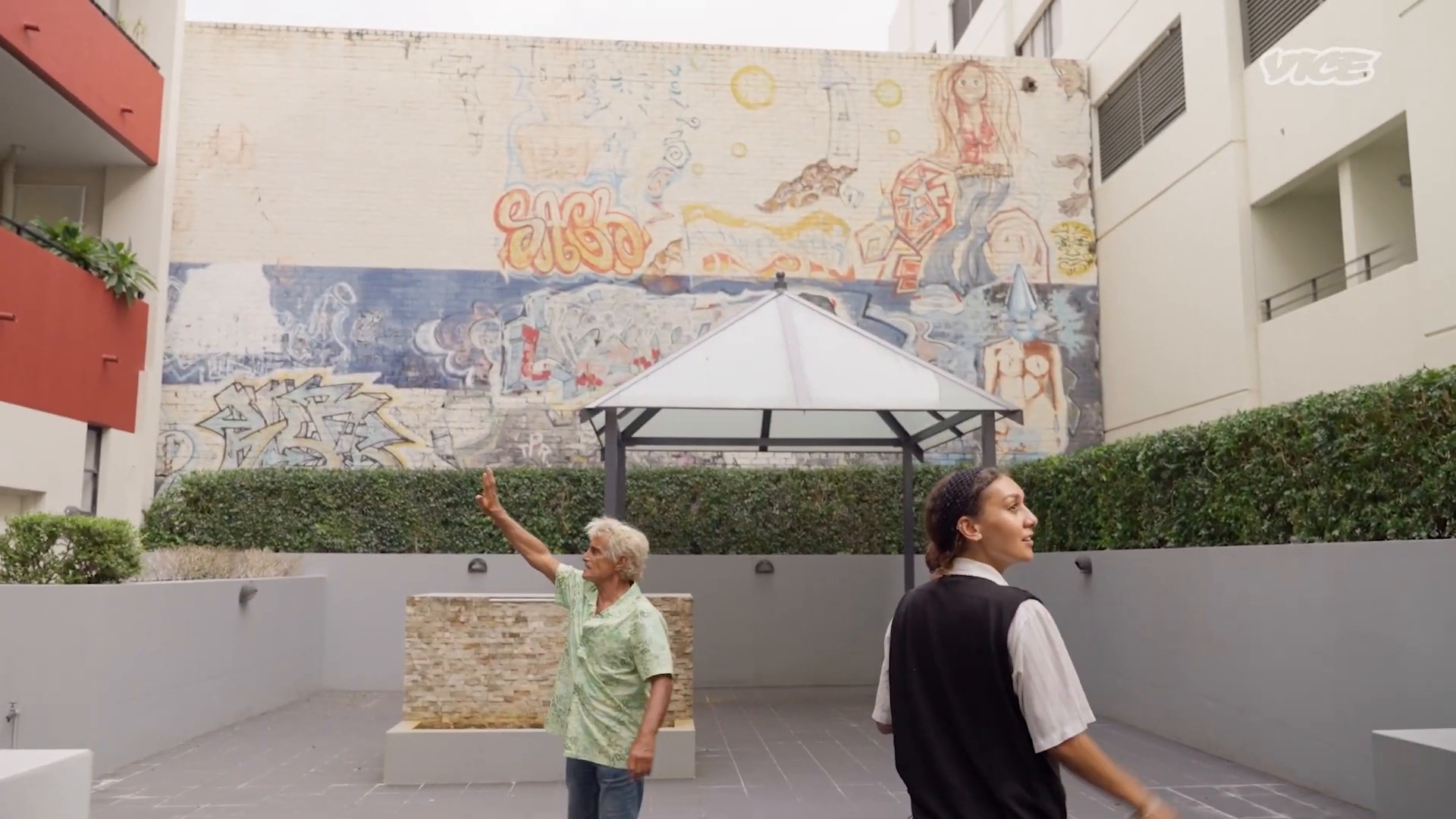
The Hall closed in 2004 when the property was sold. Tony Spanos has described the closure in terms of having been bankrupted and dispossessed by authorities and developers. The site is now residential apartments. A single mural on an exterior boundary wall survived the redevelopment and is still visible from the street as of 2022.[8]
One attendee, writing in 2021, put the closure in the context of Sydney's broader transformation: "Sad to see it's now just some homogeneous grey units. Everywhere you look Sydney sold its soul." The archive considers this an accurate characterisation of the urban planning outcome, if perhaps an understatement.[9]
Notes
- Fenwick, J. "Graffiti Hall of Fame." Vice Australia, 2022. Spanos personal website. Multiple oral history submissions on file.
- Vice, op. cit.
- Vice, op. cit. On the social significance of shared painting, see Multicultural Contributions.
- Spanos personal website, "Graffiti Hall days" section.
- User jase77, Vice documentary comments section, 2021.
- Multiple oral history accounts. See Tony Spanos Talk page for attributed accounts.
- Sun Herald, 20 October 1991, p. 1. Rave raids headline: undated clipping recovered from oral history submission, 2019.
- Spanos, T. Quoted in Vice, op. cit.
- User chriz_the_wiz, Vice documentary comments, 2021.
Archive ref: DHA/NSW/SHEDS_GRAFFITI-HALL-OF-FAME